
Tenant Rights: A Practical Guide for Renters
Learn how to check which tenant rights rules apply, review your lease, document concerns, and find reliable Iowa and Illinois housing resources.
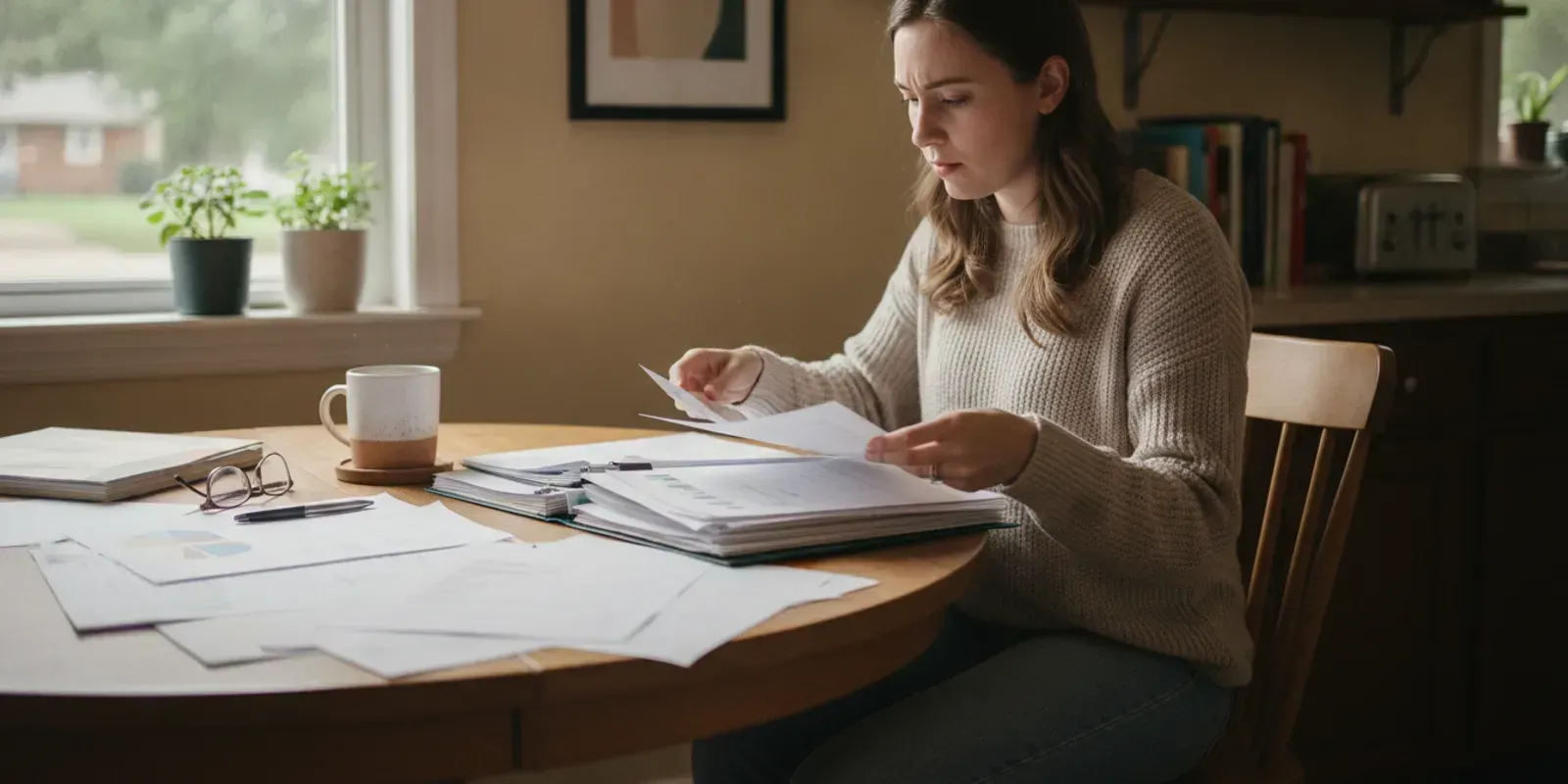
Tenant rights are protections and responsibilities that may apply when you rent a home. If you are looking for housing in the Iowa/Illinois Quad Cities, Ames, or Peoria, begin by identifying the state where the rental is located, reading the relevant lease provisions, and keeping a clear record of the issue. This guide offers practical ways to organize a question before taking action. It is general information, not legal advice, and it cannot determine how a law applies to a particular dispute.
Contact the leasing team with a question
What can tenant rights questions involve?
A renter’s question might involve the condition of a home, privacy and entry, rent or a deposit, a lease term, a notice, or how to address a disagreement. Some issues are mainly about understanding the written agreement. Others may involve state statutes, local ordinances, or legal procedures. The answer can turn on details such as the rental’s location, the type of notice received, and the timing of events.
It helps to define the issue before looking for a solution. “I have a problem with my landlord” is broad. “I reported water under the kitchen sink on Monday, sent a photo, and have not received an update” identifies a specific event and timeline. A clear description makes it easier to locate a relevant lease section, ask a focused question, and explain the matter to a qualified adviser if needed.
The University of South Carolina Law Library explains that most landlord-tenant matters are state-law issues, while federal law often addresses subjects such as accessibility and civil rights. Its landlord and tenant law research guide is useful for understanding why jurisdiction matters, but it is not a guide to Iowa or Illinois law. Always look for a source that covers the state and issue involved.
How do you identify which rules apply?
Start with the rental address, not the name of a nearby city or an online discussion. Davenport and Bettendorf are in Iowa; Moline and other Illinois communities are across the state line. Ames is in Iowa, and Peoria is in Illinois. A rule discussed for a home on one side of the Quad Cities may not govern a home on the other side.
Then identify the category of the question. A repair concern, a deposit disagreement, and a notice to end a tenancy call for different information. Look for current, authoritative material about the same state and topic. A state agency, court self-help page, legal aid provider, or statute may be more appropriate than a general article. Check the page’s date and read its scope so you do not apply a different state’s rule by mistake.
- Write down the location. Record the city and state where the rental sits.
- State the question in one sentence. Keep it factual, such as “I received a written notice on Friday and want to understand the date it refers to.”
- List the key dates. Include when the issue began, when you reported it, and when you received any reply or notice.
- Find relevant paperwork. Save the lease, addenda, notices, and messages connected to the question.
- Verify your source. Confirm the information is for that state, is current, and addresses your kind of housing issue.
- Get qualified help if the stakes are high. A housing attorney or legal aid provider can assess facts and deadlines that a general guide cannot.
A legal resource for another state can still illustrate how to research, but it cannot establish your local rights. For example, the South Carolina Bar’s landlord-tenant information page concerns South Carolina. Do not use it to decide an Iowa or Illinois dispute. The useful takeaway is to match each source to the property’s jurisdiction.
What should you review in a lease?
Your signed lease is a practical starting point because it records the rental terms, responsibilities, and any process the parties agreed to follow. It does not replace applicable law, and a clause may not answer every question. Read the full section rather than relying on a heading or a sentence taken out of context. Check related addenda and written changes too.
- Names, property, and dates: Confirm the address, named tenants, lease period, and any listed occupants.
- Rent and payment instructions: Find the amount, due date, payment method, and any written terms that explain what happens if a payment is late.
- Deposit terms: Locate the amount recorded in your agreement and any explanation of move-in documentation, move-out steps, or accounting. Do not assume a deadline or deduction rule without checking current law in the property’s state.
- Repairs and maintenance: Look for how to submit routine requests, what to do in an emergency, and what contact channel to use.
- Entry and notice: Review the contract language about access and delivery of notices. Check applicable law as well; do not assume lease wording alone settles a legal question.
- Utilities and care of the home: Identify which responsibilities the agreement assigns to the renter and which are described as property obligations.
- Changes and attachments: Keep signed addenda and written amendments with the original lease so you are not relying on an outdated version.
As you read, mark the exact wording and note what remains unclear. If a verbal conversation seems to conflict with the document, do not rely on memory alone. Send a calm written message summarizing what you understood and ask for clarification. The guides on how to read an apartment lease and what a lease addendum is can help you organize that review.
How can you approach a repair or safety concern?
For a maintenance issue, give the property team information they can act on. State what is wrong, where it is, when you first noticed it, whether it is worsening, and how they can reach you. If safe and useful, attach a clear photo. Use the reporting method provided for the home and keep a copy of the request. A specific message—“The bathroom ceiling is damp near the vent; I noticed it this morning”—is easier to assess than “Something is wrong.”
- Describe the condition accurately. Do not guess at the cause. Report what you can observe and mention any change since you first noticed it.
- Use the designated channel. Submit routine requests through the method stated for your property. If an urgent condition arises, follow the emergency instructions provided for the home; an ordinary online request may not be monitored as an emergency line.
- Keep evidence together. Save the confirmation, photographs, messages, and dates. Add a short note if you speak with someone by phone.
- Protect people first. If there is an immediate threat to safety, take appropriate steps to protect people and contact emergency services when necessary.
- Get advice before taking a consequential step. If a problem remains unresolved, consult qualified local legal help before withholding rent, arranging major work, or doing something else that could affect your lease.
Renters may use the tenant portal to communicate and manage tenant tasks where available. For general context, see what apartment maintenance includes and the guide to tenant maintenance responsibilities. These materials explain practical maintenance topics; they do not determine the legal outcome of an individual dispute.
What records help when there is a disagreement?
A useful record lets another person understand what happened without having to reconstruct it from memory. Keep a folder—digital or paper—with the signed lease, addenda, payment confirmations, notices, maintenance requests, photographs, and messages related to the question. Give files names that include dates and subjects, such as “2026-11-16 kitchen leak report.” Keep copies of anything you send.
If you talk in person or by phone, make a brief dated note afterward: who you spoke with, what you reported, what response you received, and any agreed next step. If a decision or timing matters, follow up in writing and ask for confirmation. Stay factual and courteous. A record is most useful when it distinguishes what you observed from what you believe may have caused it.
For example, if a repair request is still open, keep the original submission, any confirmation number, a later photograph showing the condition, and your follow-up messages in date order. If the issue changes, send an update rather than assuming the earlier report captures the new facts. If you are given a formal notice, keep the complete document, the envelope or delivery details if relevant, and the date you received it. Do not ignore dates or deadlines while trying to resolve a question informally.
For a deposit question, save the move-in condition report, dated photographs, receipts for any relevant work, move-out notes, and written correspondence. Do not assume Iowa and Illinois use the same deposit limits, deadlines, or deduction process. Check current law for the rental’s state and review the contract. The move-in documentation checklist can help you organize condition notes, and this security deposit guide for Iowa and Illinois renters offers a general starting point.
What should you do if you receive a notice?
Read the entire notice as soon as you receive it. Note who sent it, the date on the document, how it was delivered, the property it concerns, and any stated response or action date. Save the original and make a copy. Do not assume that an informal conversation replaces a written notice, or that a notice is invalid because it is confusing.
Next, compare the notice with the relevant lease section and look for state-specific guidance. If the notice refers to a court case, a deadline, ending a tenancy, or a required response, contact a qualified housing attorney or legal aid provider promptly. A general article cannot tell you whether a notice is valid or what you should file. Keep communications calm and factual, and do not miss a stated deadline while waiting for an informal reply.
If you are considering a move, review your lease’s notice procedure and check local legal guidance before choosing a date or delivery method. Renters can also review this practical guide to a tenant notice to vacate. It is a planning resource, not a substitute for advice about a specific legal notice or dispute.
How do privacy and access questions fit in?
Questions about entry can feel personal because they involve access to your home. Start by reading the lease language about entry and notices, then identify what actually happened: when someone requested access, what reason was given, what communication you received, and whether entry occurred. Keep messages and write down the dates. Avoid assuming that one rule applies everywhere; entry requirements may depend on state law, local rules, an emergency, the agreement, and the facts.
If you are unsure whether a request or entry was permitted, ask the property contact for clarification in writing and consult a current Iowa or Illinois legal resource. If you have a safety concern, say so clearly and seek qualified advice. Do not treat a broad statement on a website or a social media post as a ruling on your own circumstances.
Where can renters in Iowa and Illinois look for help?
Choose help according to the question. For a question about a specific home’s documented terms or how to send a maintenance request, contact the property team through the appropriate channel. For an interpretation of legal rights, deadlines, or court papers, seek a qualified housing attorney or legal aid provider. A leasing team can clarify property information, but it should not be treated as a substitute for personal legal counsel.
When reading a legal resource, verify that it applies to the rental’s state and issue. The South Carolina Bar page cited earlier is only an example of a state resource; it is not Iowa or Illinois guidance. The University of South Carolina Law Library guide provides broad research context, not a state-specific answer. If a page points you to a statute or agency, follow through to the primary material and check that it is current.
Legacy Management serves renters in the Iowa/Illinois Quad Cities, Ames, and Peoria. To explore homes in the area, see current Quad Cities vacancies, Ames rentals, or Peoria rentals. Availability, terms, and property details can change, so confirm current information for a particular home before making a decision.
How can you prepare before a problem arises?
Preparation does not need to be complicated. When you move in, save the lease, any addenda, key contact information, and instructions for routine and urgent maintenance. Photograph the home’s condition and keep the images with dates and room labels. Learn where the tenant portal is available and what kinds of requests it supports. Update your contact details if they change so you can receive relevant communications.
Before signing a lease, ask direct questions about terms you do not understand. For instance, ask where to send a formal notice, how to report a repair, which utilities are assigned to the renter, and what the agreement says about the deposit process. Ask for important answers in writing and compare them with the actual document. If two rental options are under consideration, make a simple side-by-side list of rent, utilities, lease dates, maintenance reporting method, and any terms that need clarification. Do not treat an informal estimate as a confirmed lease term.
As you compare homes, focus on the information that affects your own needs and budget. Read property details carefully, ask what is included, and confirm time-sensitive terms for the specific unit. The practical guide to finding an apartment offers more questions to use while comparing options. Keeping those questions and answers in one place can prevent confusion after you have signed.
Frequently asked questions about tenant rights
Do tenant rights work the same in Iowa and Illinois?
No. State law can differ, and local rules or the facts of a situation may also affect the answer. Identify the state where the rental is located and use current guidance for that jurisdiction.
Does a lease override applicable law?
A lease records terms agreed for a rental, but it does not necessarily override applicable law. If a clause seems inconsistent with a protection or requirement, ask a qualified local adviser before deciding what to do.
What should I do if I disagree with a deposit deduction?
Gather the lease, move-in and move-out condition records, photographs, receipts, and written communications. Ask for an explanation in writing, check current rules for the property’s state, and get qualified advice if you need help with a deadline or next step.
Can I stop paying rent if a repair is delayed?
Do not assume that you can withhold rent. Rules and required procedures depend on the state and circumstances, and an uninformed change in payment can create added risk. Document the condition and seek qualified local legal advice before changing how you pay.
Who can answer a question about a RentLM home?
For a question about a specific rental or its documented terms, contact the leasing team. For legal interpretation, contact a qualified legal aid provider or housing attorney.
Review current rental vacancies
What should you remember about tenant rights?
Start with the rental’s location, the lease, and a clear written record of what happened. Use current, state-specific guidance, keep important documents together, and ask a qualified professional when a decision could affect your housing or legal obligations.
Share this post