Tenant Maintenance Responsibilities: A Practical Guide
How renters can prevent damage, report problems, and handle urgent repairs
Understanding tenant maintenance responsibilities can help you protect your home, avoid preventable damage, and get concerns addressed sooner. If you rent in the Iowa or Illinois Quad Cities, Ames, or Peoria, start with your lease and the instructions for your specific property: responsibilities and reporting steps can vary. This guide covers practical habits that apply to many rentals, not legal advice or a substitute for your lease.
Contact the leasing team with a property question
What are tenant maintenance responsibilities?
In everyday terms, a tenant’s role is usually to use the home and its fixtures with reasonable care, keep the space reasonably clean, follow the lease, and tell the property contact about problems in a timely way. A tenant is not automatically responsible for every repair simply because it happens inside the rental. The lease, the cause of the problem, and applicable state and local rules can all matter.
Think of maintenance as a partnership with separate parts. You can help prevent avoidable problems and share accurate information. The property’s management or owner can assess reported conditions, arrange work when appropriate, and explain next steps. Do not assume who pays for a repair or attempt a repair that could create a safety issue; report the facts and ask how to proceed.
Before move-in, find the lease section on care, repairs, utilities, pests, and alterations. Check for the approved way to submit a request, any after-hours contact instructions, and rules about changing locks or fixtures. If a term is unclear, ask for an explanation in writing. Keep the answer with your lease records.
How should you care for the rental day to day?
Routine care is mostly about using things as intended and noticing small changes before they grow. Follow the written instructions for appliances and any property-specific systems. Keep sinks, tubs, and floor drains clear of items that could clog them. Use ventilation as instructed when cooking or bathing, and clean spills rather than letting moisture sit. If you see a leak, persistent dampness, or a change in how an appliance works, report it instead of waiting to see whether it disappears.
- Keep the home reasonably clean. Clean food spills and dispose of rubbish as the lease and property rules require. Good housekeeping can reduce odors and help avoid attracting pests.
- Use fixtures carefully. Do not force a stuck window, overload an outlet, or use an appliance in a way its instructions prohibit. Stop if something seems unsafe.
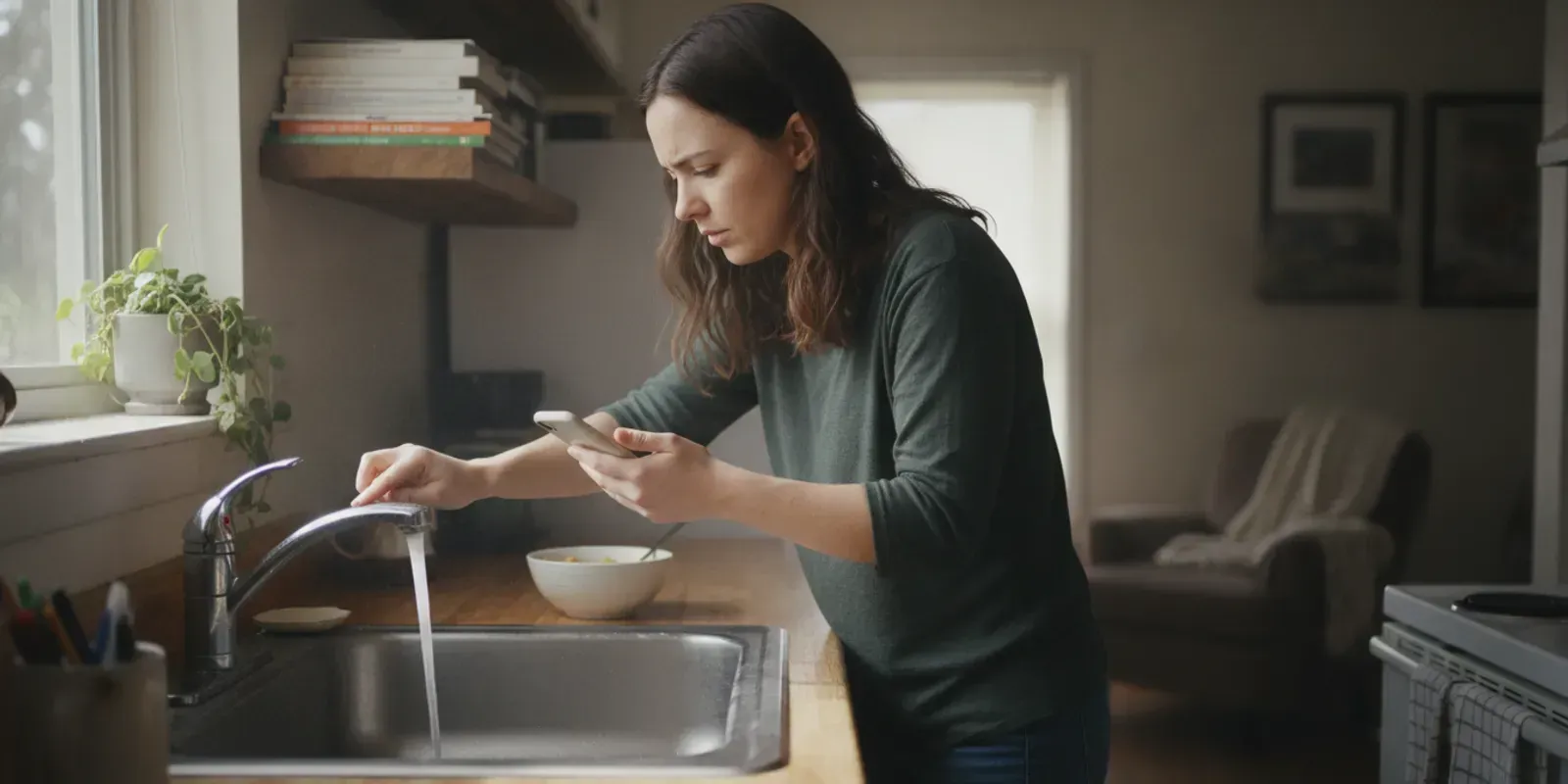
- Watch for water. Check around sinks, toilets, tubs, and visible supply lines during ordinary cleaning. Report wet flooring, dripping, or a sudden loss of water promptly.
- Follow property-specific instructions. If your home has a filter, smoke alarm, or other item with tenant-facing care directions, use the directions in your lease or welcome materials. Ask before replacing or removing anything when you are unsure.
- Use shared spaces responsibly. Follow posted or lease rules for hallways, laundry rooms, parking areas, and waste disposal. Report hazards rather than trying to make repairs in a common area.
These are practical examples, not a promise that every tenant has the same duties. Your agreement may assign particular routine tasks, and local requirements differ. For context on why local rules matter, LawHelpNC’s tenant-rights resource describes maintenance and repair duties under North Carolina law. It is a North Carolina resource, not guidance for renters in Iowa or Illinois; use your own lease and local legal resources for questions about your rights.
What should you report, and how soon?
Report conditions that could worsen, interrupt an essential service, or create a safety concern as soon as you notice them. A slow drip can damage a cabinet or floor over time. A loose handrail, an electrical smell, or a door that will not secure can raise safety concerns even if the issue seems small. Clear, prompt notice gives the property contact a chance to assess the situation.
Use the property’s stated maintenance channel. If the home uses a tenant portal, submit the request there and include photos when useful. RentLM’s tenant portal information describes portal access for tenant communication and maintenance requests. If you are not sure which channel applies to your home, check your lease or contact the leasing team.
In the request, describe what you observed, when it began, where it is happening, and whether it is getting worse. Say what you have already done, such as turning off a fixture if it was safe to do so. Avoid guessing at the cause. A useful report could say, “Water is collecting under the bathroom sink; I first noticed it this morning, and the cabinet floor is wet.” That is more actionable than “The bathroom is broken.”
How do you decide whether a problem is urgent?
Follow the emergency instructions supplied for your specific property. An emergency is generally a situation that appears to threaten people, the ability to secure the home, or significant property damage if it is left unattended. Examples may include active flooding, a strong suspected gas odor, sparking or smoke, a broken exterior door that cannot be secured, or loss of heat during dangerous cold. The examples are not a substitute for emergency services or property-specific procedures.
If someone is in immediate danger, move to safety and contact emergency services. Do not touch exposed wiring, enter standing water near electrical equipment, or try to investigate a possible gas leak. For an urgent property issue, use the after-hours number or process in your lease or posted instructions, then provide a written report when it is safe and practical. Routine requests can usually go through the ordinary maintenance channel, but do not delay reporting a condition that is actively worsening.
RentLM documents 24/7 emergency maintenance response for its renters. That does not mean every repair is completed immediately; the appropriate response depends on the reported condition and the situation. Give the responding team access as arranged, keep pets and belongings away from the work area, and share any changes while the issue is being addressed.
What belongs in a maintenance request?
A specific, calm report makes it easier to understand what needs attention and creates a record of when you raised the issue. Include the following where relevant:
- Location: Identify the room, fixture, or appliance. For a shared building area, name the floor or nearby landmark.
- What happened: Describe the symptom rather than proposing a repair. Note whether it is constant, occasional, or tied to a particular use.
- Timing and change: State when you first noticed it and whether it has become worse.
- Evidence: Add clear photographs or a short video if safe. Show enough surroundings to locate the concern, and do not put yourself at risk to take a picture.
- Access details: Follow the property’s process for entry and share practical information the team requests. Do not send sensitive personal information that is not needed.
Keep a copy of the request and any reply. If a problem remains, follow up with the earlier report date and explain what has changed. Avoid submitting multiple duplicate requests without new information, since that can make the history harder to follow. If you receive instructions, record them and ask if any step is unclear.
Which tasks should you avoid doing yourself?
Do not take apart plumbing, electrical equipment, heating or cooling systems, or building components unless the lease or management team expressly authorizes a specific task. A well-meant repair can cause additional damage, create a safety risk, or complicate the repair record. Do not hire a contractor and expect reimbursement unless you have confirmed that arrangement in advance and understand the applicable rules.
Likewise, ask before painting, installing shelves, replacing a fixture, changing a lock, or making another alteration. Even a small change can affect a wall, a building system, or a future repair. If an item is malfunctioning, report it and ask whether there are safe temporary steps you should take. Keep any approval in writing.
There is an important difference between preventing avoidable damage and taking responsibility for every building repair. A clogged drain, for example, may have different causes; do not assume liability or try aggressive chemicals without checking the instructions. Describe what happened, follow any written safety directions, and let the property contact advise on the next step.
How can you tell routine care from a repair issue?
The table below is a starting point for deciding what to do next. It does not determine legal responsibility or who will pay. If the lease or property instructions give a different process, follow those directions and ask for clarification.
SituationTenant’s practical next stepWhat to avoidOrdinary cleaning or rubbish disposalFollow the lease and property rules; clean routine spills and dispose of rubbish correctly.Letting food waste, standing water, or odors build up.Drip, leak, or unexplained dampnessReport where and when it appeared; add a photo if safe and use urgent instructions if active damage is occurring.Waiting several days or opening walls or plumbing.Appliance or fixture not working normallyDescribe the symptom and any error or change; ask whether there is a safe user-level check.Disassembling it or arranging a repair without approval.Immediate safety or security concernMove to safety if needed, contact emergency services for immediate danger, and use the property’s urgent contact process.Taking risks to investigate or relying only on a routine portal request.Possible damage or an incidentLimit further damage only if safe, report promptly, and keep a factual record.Concealing the issue, discarding relevant information, or assuming fault before the facts are reviewed.
What should you document at move-in and during the lease?
Start with a careful condition review. Note existing marks, damaged items, stains, and anything that does not work as expected. Take clear, dated photos and submit the condition report by the deadline and method in your lease. The move-out checklist is also a useful reminder that written records and photos can help you keep track of the home’s condition at the end of a tenancy; use your own move-in instructions for the initial report.
During the lease, save maintenance requests, replies, appointment details, and relevant photos in one folder. If a contractor or maintenance worker visits, note the date and whether the issue appears resolved. If it returns, report that it has recurred and refer to the earlier request. This is not about building a dispute; it is a simple way to communicate accurately and remember what has happened.
Keep records of move-in and move-out condition separate from ordinary maintenance messages. For questions about deposits, avoid assuming that a particular repair automatically will or will not affect a deposit. The lease and applicable rules matter. Renters can review this overview of security deposits in Iowa and Illinois alongside their own agreement, and seek local guidance if they need a legal answer.
How do lease terms and local rules fit in?
Read the exact lease for the property you rent. Look for how to make ordinary requests, how emergencies are handled, what access notice or scheduling process applies, and whether you have any specific routine-care duties. Also check whether the property has a welcome guide or posted instructions that explain waste disposal, filters, pest reports, or shared spaces.
Do not rely on a general internet checklist to decide whether a repair is legally the tenant’s responsibility. Requirements differ by state and sometimes by locality, and details such as the cause of damage and the lease language may affect the answer. If you have a disagreement about responsibility, preserve the written communications and consult a qualified local tenant resource or attorney. Do not withhold rent or pay for a repair based only on a general article.
When you are comparing rentals, ask how maintenance requests are submitted and what contact method to use after hours. That is a practical question to include in a broader apartment search plan. Review the property details and lease before making a decision, since instructions can differ from one home to another.
What should you do after a repair visit?
Once the visit is complete, check whether the original symptom has stopped, but do not assume a problem is permanently resolved if it returns. Send a brief follow-up through the stated channel if the leak, unusual sound, or other condition continues. Include the date of the visit, what changed, and any new evidence. This connects the follow-up to the earlier report and helps the team understand whether further assessment may be needed.
If a repair requires a return visit or a part to be ordered, ask what to expect and whether you should take any temporary precautions. Follow the instructions given for the specific repair. Keep any work notes, appointment messages, and photos together with your original request. If a repair affects your ability to use part of the home, explain the practical impact when you follow up rather than deciding on your own to stop paying rent or make another major change.
After a service visit, avoid moving equipment or changing a repair unless you have been asked to do so. If something appears unsafe, stop using it and report the concern promptly. A clear update is more useful than repeatedly submitting an identical request with no new details.
How can you make maintenance communication easier?
- Report facts promptly and choose the correct contact channel.
- Use a concise description with the location, timing, and visible symptoms.
- Attach a photo only when it can be taken safely and helps show the issue.
- Keep the request number or message and follow up with new information.
- Make the home accessible for a scheduled visit as arranged, and secure pets if needed.
- Ask questions before attempting repairs, replacing parts, or hiring anyone.
- Use the tenant portal where available to keep requests and messages organized.
These habits support a more useful exchange between residents and the team handling the report. They also help distinguish a new problem from a recurring one. If you have not used the portal before, check the property’s onboarding information or RentLM’s tenant resources for the appropriate starting point.
Review current rental vacancies and property details
Frequently asked questions about tenant maintenance responsibilities
Are tenants responsible for every repair inside a rental?
No single general checklist can answer that for every home. The lease, the cause of the problem, and state and local rules may affect responsibility. Report the condition and ask the property contact rather than assuming that you must repair or pay for it.
Should I report a small leak if it seems manageable?
Yes. Report it promptly, even if it is a slow drip or a small wet area. Include where you see it and when it began. If water is actively spreading or creating an immediate danger, follow emergency instructions and move to safety.
Can I fix a broken appliance myself?
Do not disassemble or arrange service for a property appliance unless you have permission and clear instructions. Send a description of the problem and ask what you should do next. Stop using an item if it seems unsafe.
What if I do not hear back after reporting an issue?
Check that you used the correct channel and received confirmation, then follow up with the date of your original request and any new information. For an urgent or worsening condition, use the after-hours process in your lease rather than waiting for a routine reply.
Does reporting damage mean I will have to pay for it?
Reporting a problem does not by itself establish who is responsible. Describe what you observed honestly, preserve relevant records, and ask how the issue will be assessed. For a legal or deposit dispute, consult a local tenant resource or attorney familiar with the rules where you live.
Good tenant maintenance habits come down to reasonable care, prompt and clear communication, and knowing when to ask for help. Review the instructions for your specific rental, keep a record of concerns, and use the property’s designated contact process when something needs attention.
Share this post