
Tenant Move-In Checklist: What to Document
Use this tenant move-in checklist to inspect your rental, record existing wear, test key features, and organize documents before you settle in.
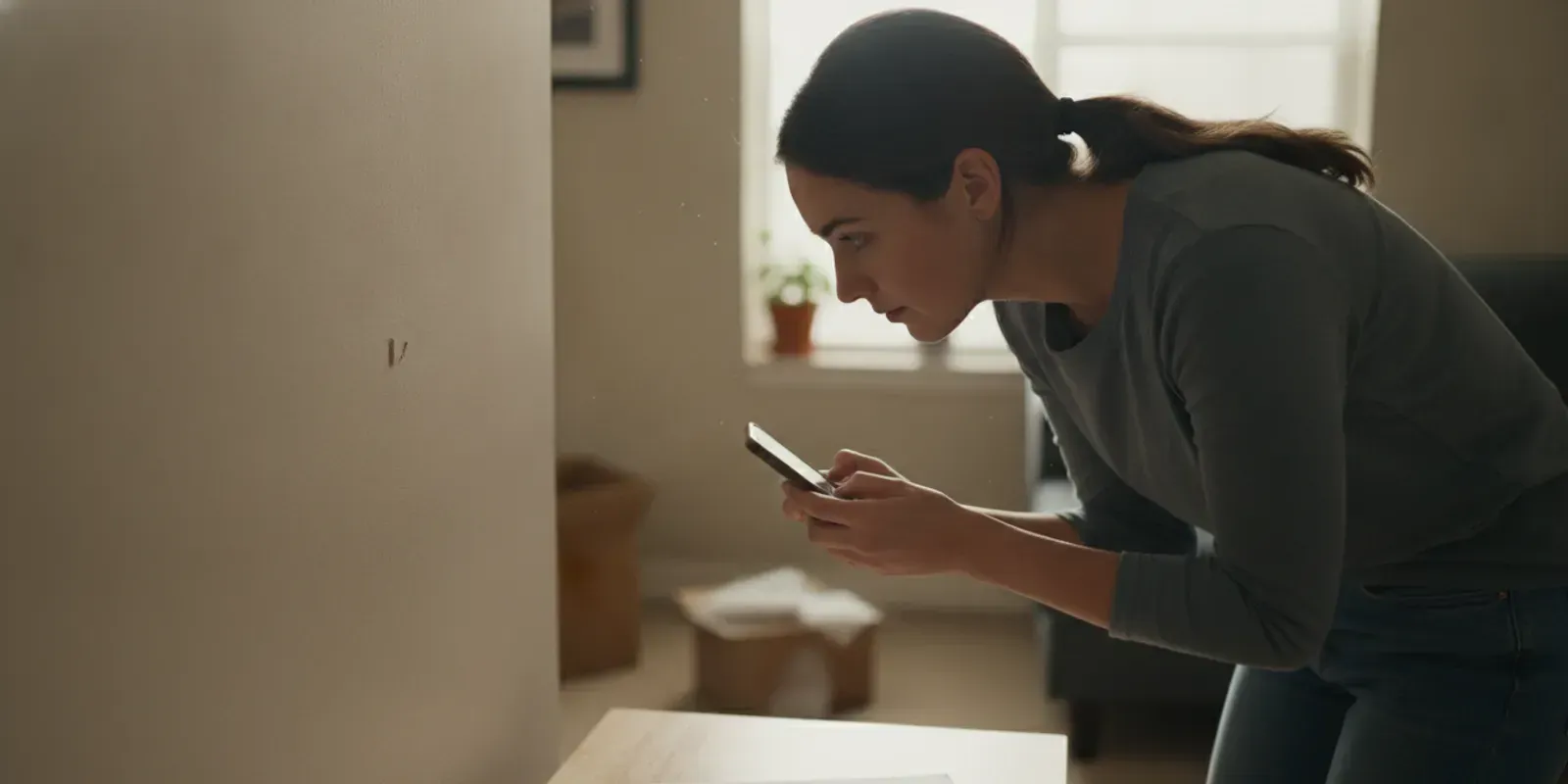
A careful tenant move-in checklist can help you distinguish existing wear from a problem that appears after you take possession. Before you unpack, walk through the home, record what you see, and save the notes and photos in one place. The steps below work for an apartment or a single-family rental, including homes in the Iowa and Illinois Quad Cities, Ames, and Peoria.
Contact the leasing team with your move-in questions
What should you do before move-in day?
Start with the documents you already have. Read your lease, move-in instructions, inspection form, and any written communication about keys, access, utilities, or maintenance reporting. The lease and property instructions govern your specific responsibilities, so do not rely on a generic checklist to replace them. If an instruction is unclear, ask the leasing team before the deadline or move date.
- Confirm access details. Verify your move-in date and time, how you will receive keys or entry instructions, and whom to contact if access does not work.
- Review the condition-report process. Check whether there is a required form, how it should be returned, and what deadline applies. Requirements can vary by lease and location.
- Gather supplies. Bring a phone or camera, charger, flashlight, pen, and a copy of the inspection form. A small ruler or coin can help show the scale of a mark in a photo.
- Make a room list. Note each room, closet, appliance, and outdoor area included with the rental so you do not forget a space during the walk-through.
- Plan for a mostly empty space. If possible, inspect before furniture and boxes make walls, floors, and corners hard to see.
If you are still comparing homes, use a separate list for features and costs. The condition report records the home's state at move-in; it is not a substitute for comparing lease terms, monthly costs, or what a particular listing includes. Renters can use this apartment-finding guide to keep those decisions separate.
How should you inspect and document each room?
Move through the home in a consistent order, such as clockwise from the entrance. Look at each surface in normal light, then check less visible areas such as inside cabinets and closets. Describe specific conditions rather than writing a broad note like âfineâ or âdirty.â For example, âtwo-inch scratch on the bedroom door near the handleâ is more useful than âdoor damaged.â
For every issue, record its location, appearance, and approximate size. If a feature works, note that it was checked; if it does not, write down what happened without trying a repair. Take an overall photo of the room and close-up photos of notable marks. Include a nearby landmark or a ruler in close-ups when useful, and keep original files with their dates and times intact.
A useful written record is specific and neutral. Instead of assigning blame or guessing when damage happened, state what you observed: âdark stain at the left edge of the living-room carpetâ or âbedroom window latch did not engage during the check.â This makes it easier to discuss the issue clearly with management.
What should you test in the rental?
Do a basic function check, staying within normal use and following any instructions from management. Turn lights on and off. Check that doors and windows open, close, and latch without force. Run water briefly at sinks and the shower, and look below the sink for visible drips. Flush toilets once. If appliances are included, use their ordinary controls as appropriate, without loading or running anything that could create a risk.
Look for conditions that need attention, such as a persistent leak, an exterior door that will not secure, or an outlet that appears damaged. Do not remove covers, dismantle equipment, or attempt repairs. Contact management through the designated channel for an urgent concern; use the tenant portal or other approved reporting method for non-emergency maintenance. RentLM provides tenant portal access for communication and maintenance requests; see the Tenant Portal information for portal details.
Check the location and condition of smoke or carbon monoxide alarms, where present, but do not assume a visible device has been tested or is functioning just because it is there. Follow the propertyâs instructions and raise any concern promptly. For fire or another immediate threat, leave the area and contact emergency services rather than waiting for a routine maintenance response.
How do you take useful move-in photos?
Photos support your written notes; they work best when they show context as well as detail. Start with one wide image of each room. Then photograph specific conditions from far enough away to identify the location and close enough to show the mark. Take more than one angle for a stain, crack, or damaged item if the first image is unclear.
- Photograph existing wear, appliance condition, and any area that is difficult to describe.
- Keep the camera steady and use enough light to show the detail accurately.
- Do not edit, filter, or crop the only copy of a condition photo; save an edited copy separately if needed.
- Use filenames or a note that connect each image to a room and item, such as âkitchen-cabinet-left-door.â
- Store a backup somewhere you can access later, and avoid including people, private documents, or sensitive personal information.
Photos should document what is visible, not imply a cause you cannot verify. A picture of a water mark, for instance, establishes its appearance and location but does not prove when or why it formed. Pair the image with a dated note and a prompt written report if the issue needs attention.
What should you include in your condition report?
Use the form supplied by the property, if one is provided, and complete each section as directed. Describe condition consistently, list existing damage even if it seems minor, and mark an item as not checked rather than guessing when you cannot test it. Do not leave a blank space if the form allows you to write ânot applicableâ or ânot observed.â Make a copy or photograph of the completed form before submitting it.
Some government and university resources offer examples of rental condition checklists. For instance, Coloradoâs rental property condition checklist describes documenting a propertyâs condition, and the University of Iowaâs condition checklist provides a move-in reference. These are examples, not a replacement for the form, lease, or rules that apply to your own rental. Follow the instructions for your property and check the applicable state or local requirements if you have a legal question.
Send the completed report through the specified method and keep proof of when and how you sent it. Save the email, portal confirmation, or other receipt with your copy. If you notice something after submitting the form, report it promptly in writing and include photos. A clear, timely note gives everyone a shared record of the concern.
What should you do if you find a problem?
First, decide whether the condition needs immediate attention. A serious safety issue or active leak should be reported promptly through the emergency or urgent contact method provided for the property. For a non-urgent item, use the designated maintenance-request process. Include the address or unit identifier, room, a plain description, when you noticed it, and a photo if helpful.
Keep the message factual and save a copy. For example: âAt move-in on Tuesday, I noticed water collecting under the kitchen sink after running the faucet briefly. I stopped using it and attached two photos. Please let me know the next step.â Avoid arranging your own repair or withholding rent based only on general online advice. Your lease and local rules matter, and a legal or tenant-rights organization can help with questions about your particular circumstances.
For questions about deposits or how a condition report differs from deposit terms, review the security deposit renter guide. It is useful to keep those subjects distinct: document the property accurately, and separately read the lease and applicable requirements for deposit handling. Never assume that a generic checklist changes the terms of your agreement.
How can you keep the checklist manageable?
You do not need elaborate equipment or a complicated spreadsheet. A form, dated notes, and organized photos are enough for many move-ins. Use the same room order every time, and record issues as you see them rather than relying on memory after a long moving day. If you are sharing the home, one person can take photos while another checks the form, then compare notes before submitting.
- Before arrival: Read the lease and property instructions, gather your checklist and supplies, and confirm how to report problems.
- During the walk-through: Inspect each room and included area, test basic functions safely, and record pre-existing conditions.
- Before unpacking: Photograph relevant details, check that your notes identify where each issue is, and flag urgent concerns.
- After the walk-through: Submit the required report as instructed, save a copy and confirmation, and make maintenance requests through the approved channel.
- After settling in: Keep the lease, condition report, photos, and management messages together for future reference.
A move-in record can also help you remember what was present when you arrived. When you eventually prepare to leave, compare your notes with the lease and review a separate tenant move-out checklist. The two checklists serve different moments, but keeping the original record may help you refer back to the condition you documented at the start.
Frequently asked questions
When should I complete a tenant move-in checklist?
Complete it at the time specified in your lease or move-in instructions. If no process is clear, ask the leasing team when and how to return the report. Inspecting before furniture arrives can make it easier to see floors, walls, and corners.
Should I report small scratches and marks?
Yes. Record visible existing wear, even if it seems minor, using a neutral description and a photo where useful. You do not need to decide who caused it; document its location and appearance and follow the propertyâs reporting instructions.
What if I cannot test an appliance or feature?
Do not force it or guess. Note that you could not test it, explain why if relevant, and ask management for direction. If it later fails during ordinary use, submit a maintenance request with the date and what happened.
Is a photo enough instead of a written condition report?
Not necessarily. Use the required property form or process, and treat photos as supporting documentation. Keep both the submitted report and copies of your images and communications.
Does a generic checklist explain my legal rights?
No. A general checklist helps you organize observations, but it cannot determine the requirements for a specific lease or location. For questions about a legal deadline, deposit dispute, or tenant rights, consult an authoritative local resource or qualified professional.
Review current rental vacancies
Before you settle in, take a methodical walk-through, report concerns through the right channel, and keep your checklist, photos, and confirmation together.
Share this post