What Does Apartment Maintenance Include?
Apartment maintenance helps keep rental homes safe and usable. Learn what to report, what details to share, and how routine issues differ from emergencies.

What does apartment maintenance include? For renters, it can mean anything from investigating a slow-draining sink to coordinating urgent help for a serious leak. The exact work and each person’s responsibilities depend on the property, lease, and problem. Knowing how to report an issue—and what details to include—can help the maintenance team understand what is happening and determine the next step.
Contact the leasing team with a question
What does apartment maintenance usually cover?
Apartment maintenance is the work involved in keeping a rental home and its building systems in usable condition and addressing problems that arise. Depending on the property and issue, that can include checking, repairing, or arranging service for plumbing, heating and cooling equipment, appliances, electrical components, doors, windows, and shared areas.
Not every rental includes the same equipment or features. A home with no shared laundry room, for example, has no laundry room for its maintenance team to service. Some repairs also need a qualified outside contractor rather than an on-site or in-house technician. The work required depends on what has failed, the equipment involved, and the property’s process.
Maintenance includes more than the physical repair. It may involve receiving a report, documenting the issue, deciding how urgent it is, coordinating access, arranging a technician or contractor, and confirming what happened afterward. A study about apartment-housing maintenance costs describes maintenance factors in technical and administrative categories, a useful reminder that coordination is part of the process as well as repair work (study on apartment-housing maintenance costs).
Which types of apartment maintenance might be included?
Common requests usually involve a part of the home or building that is damaged, not working as expected, or creating a safety concern. The examples below are general. They are not a promise that a particular service, appliance, or feature is present in every rental.
Type of issue: Plumbing. Examples to report: Leak, backed-up drain, toilet that will not flush, or no water at a fixture. Helpful information to include: Which fixture, when it began, whether water is actively leaking, and any steps already taken.
Type of issue: Heating or cooling. Examples to report: Heating or cooling system not operating as expected, unusual noise, or a visible leak near equipment. Helpful information to include: Which rooms are affected, when the problem occurs, and any display message or sound.
Type of issue: Electrical. Examples to report: Light or outlet not working, repeated loss of power in one area, or a visible electrical concern. Helpful information to include: What stopped working, which room, and whether there is a burning smell, heat, or sparking.
Type of issue: Appliances and fixtures. Examples to report: Provided appliance or fixture not working, damaged cabinet hardware, or a door that will not latch. Helpful information to include: The item, its location, what happens when you try to use it, and a photo if safe and useful.
Type of issue: Doors, windows, and building concerns. Examples to report: Window that will not close, water intrusion, damaged entry hardware, or an issue in a shared area. Helpful information to include: Exact location, visible damage, whether access or security is affected, and when you noticed it.
This list is a guide to the kinds of details that help describe a concern, not a determination of who must pay for or complete a particular repair. Check your lease and property instructions. If you are unsure which category fits, report what you observe and ask the management team for direction.
How are routine and emergency maintenance different?
A routine request is a problem that needs attention but does not appear to create an immediate threat to people, the home, or essential access. Examples may include a cabinet door that has come loose, a drip that is contained, or a fixture that has stopped working without an immediate safety concern. Report it through the property’s stated process rather than waiting for it to worsen.
An emergency is a situation that may need urgent attention to prevent injury, serious damage, or an immediate security problem. Examples can include an active major leak, loss of heat in very cold conditions, a suspected gas odor, sparking, or a door that cannot be secured. Use the property’s emergency instructions for urgent concerns. If someone is in immediate danger, contact emergency services first.
Legacy Management documents 24/7 emergency maintenance with an on-call technician rotation for urgent issues. This does not mean every repair is completed immediately or that every problem qualifies as an emergency. Follow the instructions provided for your property, explain what is happening, and provide a callback number if requested.
If it is safe to do so, take reasonable steps to limit further damage while you report the issue. For example, you may move belongings away from a leak or avoid using a fixture that appears unsafe. Do not attempt repairs that could put you at risk or damage equipment. When the situation is uncertain, describe it to the maintenance contact and ask what to do next.
What is the renter responsible for?
Maintenance responsibilities are not identical in every rental. The lease and property guidance explain what the renter is expected to do and how to report a repair. Day-to-day care may include keeping the home reasonably clean, using provided equipment according to its instructions, and reporting a developing problem rather than ignoring it. A renter may also be asked to take specific steps that are listed in the lease or provided instructions.
A repair request does not automatically answer questions about responsibility for damage or cost. Those decisions depend on the facts, lease terms, and applicable rules. Avoid assuming that every small issue is a renter’s job—or that every repair will be handled in the same way. Share accurate information and ask the management team if the responsibility or process is unclear.
For a broader look at everyday care, see this guide to tenant information and resources. It is also useful to document the home’s condition when you first move in. A move-in documentation checklist can help you keep a record of visible conditions and questions to raise with the property team.
How should you submit a maintenance request?
Use the reporting channel specified for your property. Legacy Management tenants can submit maintenance requests through the tenant portal, with photo upload available. The RentLM tenant portal also provides access to tenant communication and other account functions. For urgent situations, follow the emergency instructions instead of assuming that a routine portal request is enough.
- Describe one issue clearly. State what is not working and where it is. If several unrelated items need attention, list each separately so none is missed.
- Explain when it started. Note whether the problem appeared suddenly, has happened repeatedly, or is getting worse. Include times when the issue occurs if that matters.
- Describe the impact. Say whether the issue affects one room or the whole home, whether water or power is involved, or whether access or security is affected.
- Add useful photos when appropriate. A clear photo can show a visible leak, damaged part, or error message. Do not put yourself in danger to take one, and do not rely on a photo alone if an urgent issue needs a direct call.
- Share access details. Follow the property’s process for arranging entry and mention any relevant access instructions. Keep pets and personal items in mind when preparing for a visit.
- Keep a record. Save the request confirmation and any replies. If the situation changes after you submit it, update the team using the stated contact method.
For example, “The bathroom sink is leaking” gives a starting point. A more useful report might say, “Water is dripping from the pipe beneath the bathroom sink. I noticed it this morning, and the cabinet floor is damp. I placed a container underneath and uploaded a photo.” The second description communicates location, timing, impact, and a step taken without guessing at the cause.
What details help the maintenance team respond?
Accurate observations help the team decide whether it needs more information, a technician, or a different response. You do not need to diagnose the problem. Describe what you can see, hear, smell, or experience, and distinguish what you know from what you suspect.
- Location: Give the room and the specific item or area.
- Timing: Say when you first noticed the issue and whether it is constant or intermittent.
- Severity: Explain whether it is getting worse, affecting other areas, or creating a safety or security concern.
- Conditions: Note relevant observations, such as whether a leak continues after a fixture is turned off or a sound occurs only when equipment runs.
- Documentation: Attach a clear photo or short description if the reporting system allows it and doing so is safe.
Avoid taking apart equipment, attempting electrical work, or using chemical products to force a drain clear unless the property has specifically instructed you to do so. An improvised repair can create new damage or make it harder to identify the original issue. If you have already tried something, say what you did; clear information is more useful than leaving out a detail.
What happens after you report a problem?
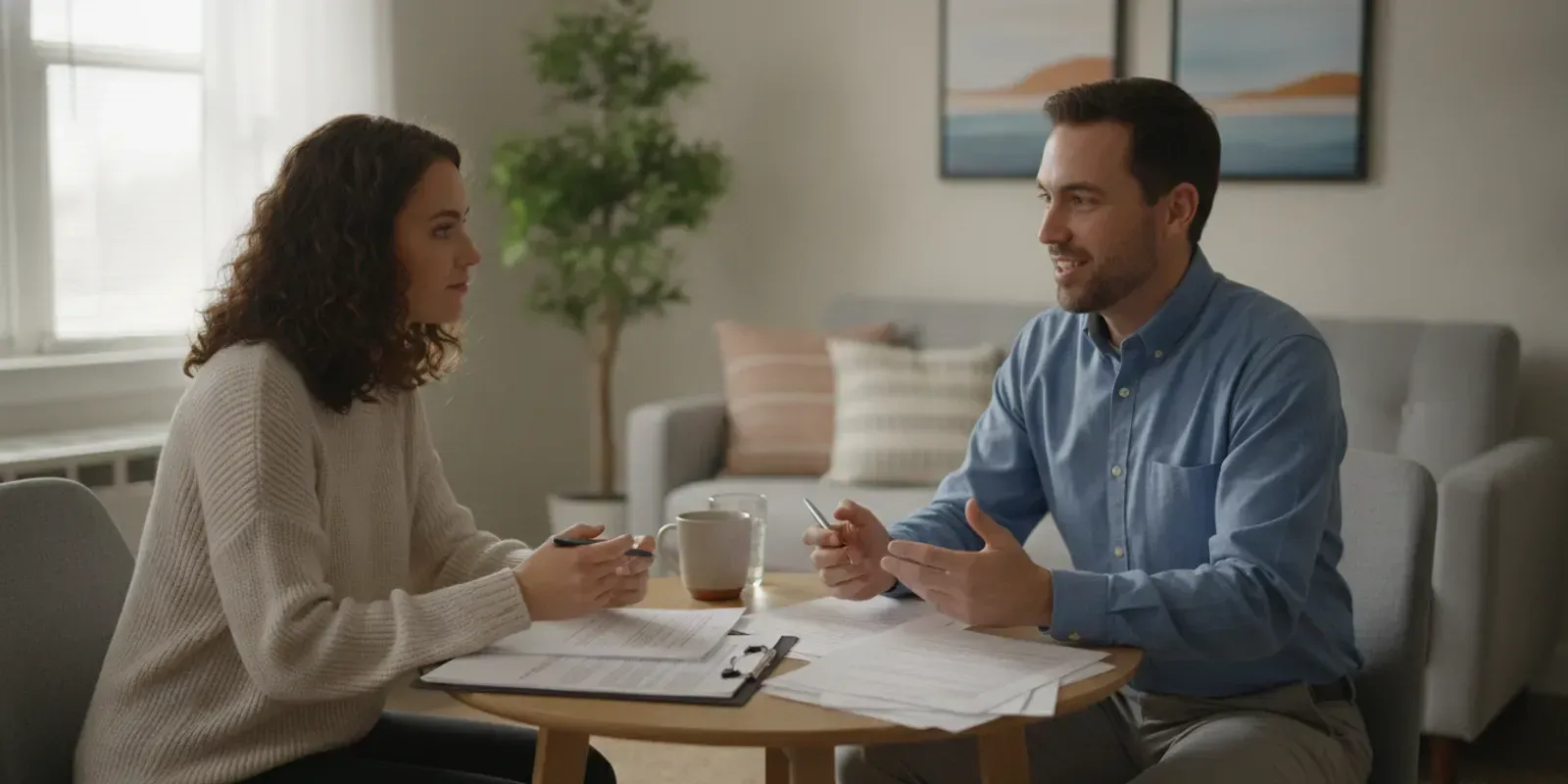
After a request is submitted, the management team can review the description, ask follow-up questions, and determine the next step. Some concerns can be assessed from the information provided. Others require an in-person inspection or a specialist. A report may also need scheduling and access coordination, so give complete access information and respond to reasonable follow-up questions.
Keep communication practical and factual. If the condition changes, send an update. If you receive instructions, follow them and let the team know if the problem continues. After a visit, you can note what was done and whether the original concern remains. If you have not received a response and the issue is worsening, use the property’s stated contact or emergency process and explain that you already submitted a request.
Tenants using the portal for maintenance requests can use its communication features to keep relevant details together. Keep your own notes too, especially if a concern involves repeated symptoms or several visits.
How can maintenance shape your apartment search?
When comparing rentals, ask how to submit routine requests, how to report an emergency outside normal business hours, and how maintenance visits are coordinated. Ask which appliances or systems come with the home and which instructions tenants should follow. These questions can help you understand the process without assuming that every property has the same features or response arrangements.
Review the specific listing and lease information for a home you are considering. Property details can differ, and availability or included features may change. RentLM lists homes and apartments in several markets; renters can browse current vacancies and review the details shown for each rental. You can also see the specific Ames property information or Peoria rental information when comparing those markets.
If you are early in your search, this practical guide on how to find an apartment offers additional questions to consider. For questions about a particular listing or its maintenance process, contact the leasing team rather than relying on general examples to define a property’s policy.
Review current rental vacancies
Frequently asked questions about apartment maintenance
Does apartment maintenance include appliance repairs?
It may include investigating or coordinating repair for an appliance provided with the rental, but the specific process depends on the property and the appliance. Check the listing, lease, and property instructions. When you report a problem, identify the appliance, describe what happens, and include a photo or error message if useful and safe.
Should I report a small leak?
Yes. Report a leak through the property’s stated process, even if it seems minor, and explain whether it is active, where it is, and whether nearby surfaces are wet. If water is flowing heavily or causing immediate damage, follow the emergency instructions. Do not wait for a small leak to become a larger problem.
Can I fix a maintenance problem myself?
Do not assume that you should repair equipment or building systems yourself. Follow the lease and property instructions, and ask the management team if you are unsure. Avoid work involving electrical systems, plumbing connections, or equipment that could be hazardous or damaged by an incorrect repair.
How do I know whether a maintenance issue is an emergency?
Consider whether it creates an immediate risk to people, significant damage, or essential security. Examples may include a major active leak, sparking, or an entry door that cannot be secured. Use the emergency directions provided for the property, and contact emergency services if someone is in immediate danger.
What should you remember about apartment maintenance?
Apartment maintenance can involve inspecting, repairing, and coordinating work on a home or building, but the exact scope and responsibilities vary by property and lease. Report concerns promptly through the correct channel, give clear observations, and follow emergency instructions when a problem is urgent. Reviewing property details and asking process questions before you rent can help you know what to expect.
Share this post