How to Rent Out a House: A Practical Guide
Learn how to rent out a house with practical steps for preparing, pricing, screening, leasing, maintaining, and managing an Iowa or Illinois rental.

Renting out a house is more than finding someone who can pay the rent. Before you advertise, you need a workable plan for the property, finances, legal responsibilities, leasing process, maintenance, and records. That preparation matters even more for first-time owners in Iowa and Illinois, where requirements can vary by state, city, and property.
Talk with Legacy Management about full-service property management if you want help coordinating the rental process.
To understand how to rent out a house, start by confirming your mortgage, insurance, association rules, local requirements, and fair-housing responsibilities. Then prepare the home, set property-specific terms, market it consistently, use a current written lease, document move-in condition, and establish a plan for rent collection and maintenance.
You do not need to solve every detail at once, but you should verify the basic obligations before accepting applications or signing a lease. The first step is to identify the rules, approvals, and records that will shape the rest of your rental plan.
What to Confirm First When You Learn How to Rent Out a House
Before you advertise a home, decide what success needs to look like. Consider your expected time commitment, how you will handle maintenance and emergencies, and whether the property still works financially after the mortgage, insurance, taxes, repairs, and periods without rent are considered. Keep rental income and expenses organized separately from personal finances, and confirm that your insurance policy and mortgage terms allow the home to be used as a rental. Your lender and insurance professional can explain the terms that apply to your situation.
Review property and association rules
If the home is subject to a homeowners association, condominium association, or other governing document, review its current rental provisions before making plans. Rules may address leasing, tenant registration, occupancy, parking, or approval procedures. Also ask the city or county where the property is located whether registration, inspection, licensing, or other local steps apply. Requirements can differ between communities, including across the Iowa and Illinois Quad Cities, Ames, and Peoria. Treat these as verification checkpoints, not assumptions. Confirm the current requirements directly with the relevant local office or qualified counsel.
Build a fair and documented process
Fair-housing compliance must be part of the plan from the first advertisement through screening and tenancy. The federal Fair Housing Act prohibits discrimination based on race, color, national origin, religion, sex, familial status, and disability. It also addresses reasonable changes or exceptions that may be needed for a person with a disability to use and enjoy housing. Review your advertising language, written rental criteria, screening process, and communication practices for consistency. The U.S. Department of Housing and Urban Development fair-housing guidance is a useful starting point, but it is not a substitute for legal advice.
Check whether federal lead-based paint disclosure requirements apply, especially if the home was built before 1978. The Environmental Protection Agency's lead disclosure guidance explains the information and pamphlet requirements that may apply before a covered lease is signed. Also verify current Iowa or Illinois rules for deposits, notices, leases, repairs, disclosures, and taxes before drafting documents. Laws change, and the correct answer depends on the property's jurisdiction and facts.
Readiness checklist
- Confirm your owner goals, time commitment, budget, mortgage terms, and rental-appropriate insurance.
- Review HOA or association rules and ask the local government about registration, inspections, or licenses.
- Verify current Iowa or Illinois requirements with authoritative sources or qualified counsel.
- Prepare consistent advertising and screening criteria that follow fair-housing obligations.
- Identify any required disclosures, including lead-based paint information where applicable.
- Choose who will handle tenant communication, maintenance, emergencies, records, and compliance questions.
How to Prepare and Price the Property
A rental home should be ready for dependable occupancy before it is advertised. Preparation is more than making the rooms look presentable. It means understanding the property's condition, clarifying who handles each service, and setting expectations that can be supported throughout the tenancy.
Walk through the home as a resident would
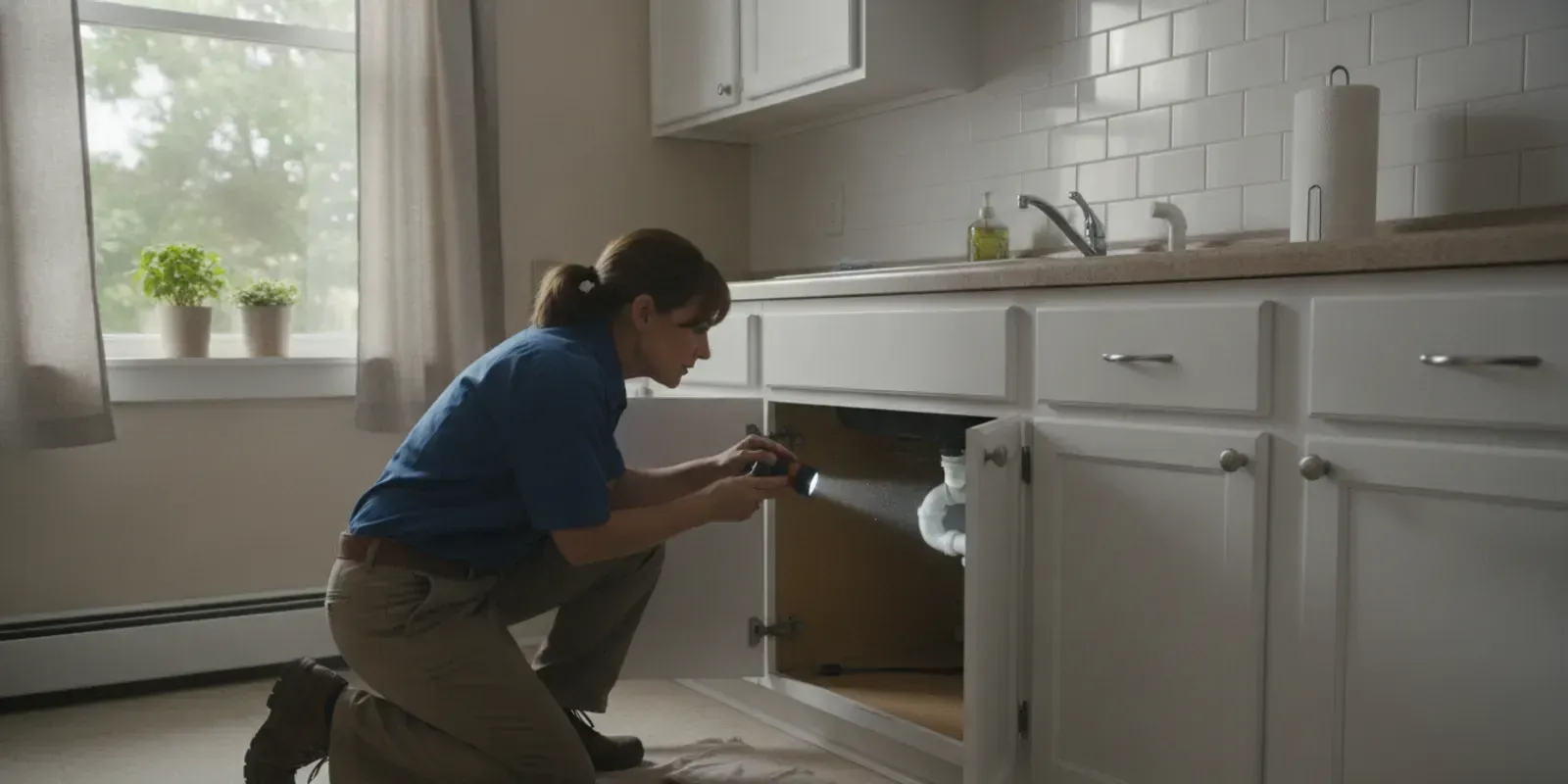
Start with a room-by-room condition review. Look for plumbing leaks, drainage problems, damaged flooring, sticking doors, faulty appliances, moisture concerns, and deferred exterior work. Address safety issues before cosmetic upgrades. Test smoke and carbon monoxide equipment where applicable, check that doors and windows operate properly, and confirm that heating, cooling, water, and electrical systems are functioning as expected.
Clean the home thoroughly and remove personal belongings or debris. Take dated photographs and notes before marketing. This record creates a useful baseline for future maintenance conversations and for comparing the home's condition at move-in and move-out. If the property was built before 1978, review the federal lead-based paint disclosure requirements. The EPA says covered landlords generally must provide required information and the lead safety pamphlet before a renter signs a lease: EPA lead-based paint disclosures.
Define the rental package clearly
Write down what the rent includes and what the resident will arrange separately. That may involve utilities, lawn care, snow removal, appliances, parking, storage, internet, or other services. Confirm that the planned use of the property matches your insurance policy and lender or association requirements. If coverage needs to change because the home will be rented, resolve that before accepting an applicant.
Use current local evidence to set rent
Pricing should reflect the home's location, size, layout, condition, parking, included services, and comparable features. Review similar rentals in the same local market, giving greater weight to homes that a prospective resident would realistically compare with yours. Consider both current listings and how long comparable homes appear to remain available. But do not treat an asking price as proof that a property actually rented for that amount.
Rent and deposits are property-specific and time-sensitive. Recheck the market immediately before publishing, and document the reasoning behind the price so you can revisit it if response is weak or conditions change. A careful preparation file and an evidence-based price give the marketing and leasing process a stronger starting point.
Review current vacancies from Legacy Management for a practical example of how available rental homes are presented to prospective residents.
How to Market the Home and Screen Applicants Fairly
Good marketing gives prospective renters enough accurate information to decide whether the home fits their needs. Describe the location, housing type, approximate size, available features, utility responsibilities, and showing process honestly. Use clear photos that represent the property's current condition, and update the listing when availability or property details change. For more practical ideas, see this guide to attract qualified rental tenants. Owners can also review current vacancies to understand how Legacy Management presents available rental homes to prospective residents.
Plan showings around a consistent process. Decide how inquiries will be received, what information prospective renters will receive before a tour, how appointments will be confirmed, and how access to the home will be handled. Keep a record of inquiries, scheduled tours, applications, and important communications. Organized records help you answer questions consistently and make the transition from marketing to screening easier.
Use written criteria before reviewing applications
Set the screening criteria before the first application arrives. The criteria might address identity verification, income or ability to pay, rental history, credit information, references, and other lawful factors that are relevant to the property. Do not invent thresholds for this article or apply different standards based on who is asking. Written criteria make decisions more consistent and provide a useful check against subjective reactions.
Fair housing rules apply to advertising and screening. The federal Fair Housing Act prohibits discrimination in rental housing based on race, color, national origin, religion, sex, familial status, and disability. The U.S. Department of Housing and Urban Development also recommends reviewing credit and background-check policies for unlawful discrimination. Review current federal, Iowa, or Illinois requirements with an authoritative source or qualified counsel before using your criteria. Iowa owners can consult the Iowa Office of Civil Rights housing guidance, and Illinois owners can review the Illinois Department of Human Rights housing rights guidance. Tenant application and screening should be a documented process, not an informal judgment.
Protect applicant information and communicate clearly
Collect only information that is needed for a lawful screening decision, limit access to application materials, and store records securely. Avoid discussing one applicant's personal information with another applicant or with people who do not need it for the rental process. Tell applicants what happens next, when they can expect an update, and how they can ask process-related questions. If an application is declined or a different decision is made, follow applicable notice requirements and keep the supporting records.
Owners who want to reduce the administrative burden can compare these steps with full-service property management. RentLM documents strategic marketing, tours, applicant screening, lease signing, tenant relations, and move-in and move-out management as part of its owner services. Regardless of who performs the work, accurate listings, consistent criteria, privacy safeguards, and clear records are the foundation of a fair leasing process.
What Belongs in the Lease and Move-In File
A signed lease is more than a rent amount and a move-in date. It gives the owner and renter a shared reference for how the home will be used, how money will be handled, and what happens when questions or problems arise. Use a current written form appropriate for the property's location, then have Iowa or Illinois requirements reviewed through current authoritative sources or qualified counsel. A general template is not a substitute for property-specific legal guidance.
Build a complete, current lease
Identify every party, the rental address, the lease term, renewal or end-of-term process, rent amount, due date, accepted payment method, and any clearly stated late-payment terms. Explain which utilities and services each party pays, rules for occupants, pets, smoking, alterations, parking, and access for inspections or repairs. Spell out maintenance responsibilities without shifting legal duties improperly. Include the preferred method for routine maintenance requests, the process for reporting an emergency, and reliable contact information for urgent situations.
Keep deposits and other move-in charges specific to the property and jurisdiction. Do not copy a figure or deadline from another state, city, or older lease. Document the amount received, where required notices or disclosures are provided, and the process for accounting at the end of the tenancy. If the home may fall under federal lead disclosure rules, review the EPA requirements before lease signing. The EPA explains that covered landlords must provide information about known lead hazards and the required safety pamphlet: EPA lead-based paint disclosures.
Make the move-in record usable
Prepare a room-by-room condition checklist before keys change hands. Record walls, floors, ceilings, appliances, fixtures, windows, doors, plumbing, exterior areas, and any existing damage. Take clear, dated photographs or video that match the checklist, and give the renter a reasonable way to note disagreements or additions. Have both parties sign and retain the completed record with the lease and disclosures. Move-in and move-out checklists support consistent documentation and accountability, especially when condition questions arise later.
Finally, record the keys, remotes, access codes, utility responsibilities, meter information when relevant, and the date the renter takes possession. A well-organized file protects both sides and makes future maintenance, renewal, and move-out decisions easier to manage.
How to Manage Maintenance, Rent, and Records
Move-in is not the finish line. A rental home needs a repeatable operating system for rent collection, tenant communication, repairs, and documentation. Whether you manage the property yourself or use a professional team, decide in advance who handles each responsibility, how requests are submitted, and where records are stored.
Set a clear process for rent and communication
Rent collection should be consistent and easy to document. Keep rental income and property expenses organized by property, record payments promptly, and define how tenants can ask questions or report a problem. Written communication creates a useful record, but it should not replace timely responses when a repair or safety concern is involved.
A tenant portal can bring payment processing, messaging, work-order updates, and documents into one system. It also gives owners a clearer view of activity without relying on scattered email threads or paper files. If you self-manage, choose a secure system and establish a backup process for important records.
Plan routine, preventive, and emergency maintenance
Maintenance is easier to manage when you separate routine requests from preventive work and emergencies. Track each work order from the initial report through scheduling, authorization, completion, and follow-up. Keep invoices, photos, vendor information, and notes with the property record. Periodic condition reviews can also help identify small issues before they become more disruptive repairs, subject to the notice and access requirements that apply in your jurisdiction.
Tenants should receive clear instructions for reporting urgent problems, including what to do when a condition threatens health, safety, or the property outside normal business hours. RentLM documents routine repairs, preventive maintenance, work-order management, and 24/7 emergency service as part of its management operations. These services are described on the full-service property management page.
Keep financial and property records together
Good records support day-to-day decisions and year-end review. Maintain the lease and amendments, move-in and move-out condition documentation, payment history, maintenance records, invoices, notices, insurance information, and relevant communications. Keep records for each property separate from personal finances, and confirm retention and tax requirements with your accountant or qualified adviser.
For owners who want organized reporting, RentLM states that its owner systems can provide monthly and yearly reports, year-end tax statements, document storage, payment processing, messaging, and property-performance access. You can review the company's rental owner statements information to understand the reporting approach. The right process is one you can follow consistently and verify when questions arise.
Should You Self-Manage or Hire Property Management?
Self-management can be a reasonable fit when you have the time, local availability, and systems to handle the rental consistently. It also means becoming the point person for marketing, applicant questions, tours, lease signing, rent collection, maintenance requests, records, and problems that arise outside normal business hours. The work does not end when a tenant moves in. You remain responsible for keeping the process organized and responding appropriately throughout the tenancy.
When self-management may fit
Managing the property yourself may work when the home is close by and you can respond to routine and urgent requests. You will also need to learn the administrative responsibilities. Build a dependable process for advertising the home and applying the same written screening criteria to each applicant. Store lease and condition records, coordinate repairs, and track income and expenses. Verify current Iowa or Illinois requirements for the property's location instead of relying on a general checklist.
Consider the practical time commitment, not only the number of homes you own. A single property can still require scheduling tours, answering questions, documenting move-in condition, arranging a repair, or communicating during a stressful tenant situation. If your work schedule, travel, distance from the property, or lack of maintenance contacts makes those tasks difficult, a different operating model may provide more consistency.
When full-service management may fit
Full-service management is designed for owners who want an experienced team to coordinate the rental workflow while keeping the owner informed. Legacy Management documents services that include strategic marketing, applicant screening, property tours, lease signing, tenant relations, maintenance, move-in and move-out support, reporting, and owner portal access. Its maintenance operations include routine repairs, preventive maintenance, work-order management, and 24/7 emergency service. Owners can review the full-service property management option and discuss whether it fits the property.
Local coverage also matters. RentLM serves owners in the Iowa and Illinois Quad Cities, Ames, and Peoria. That local presence may be relevant if you live elsewhere, own an inherited home, or prefer not to coordinate every tenant and vendor interaction yourself. The owner remains involved in the decisions that matter, while the management team handles the documented operational details under the agreed service relationship.
Self-management and full-service property management compared
Responsibility: Self-management and full-service management.
Time: Self-management: Owner handles daily coordination, questions, follow-up, and records. Full-service management: Management team coordinates the operating workflow and keeps the owner informed.
Leasing: Self-management: Owner markets the home, schedules tours, screens applicants, and signs the lease. Full-service management: Services can include marketing, tours, applicant screening, and lease signing.
Maintenance: Self-management: Owner receives requests, finds vendors, tracks work, and handles urgent issues. Full-service management: Services can include work orders, routine and preventive maintenance, and emergency coordination.
Records: Self-management: Owner organizes leases, condition documentation, payments, repairs, and statements. Full-service management: Reporting, document storage, payment processing, and owner portal access can be included.
Owner involvement: Self-management: Owner is the primary decision-maker and point of contact. Full-service management: Owner remains involved while the management team handles agreed day-to-day services.
There is no universally correct choice. Compare the responsibilities with your availability, location, experience, and preferred level of involvement. Ask what is included in any management agreement, how communication works, and which decisions remain yours before moving forward.
Contact Legacy Management about your rental property to discuss whether full-service management fits your needs.
Frequently Asked Questions
What is the first step when renting out a house for the first time?
Start with a property and compliance review before advertising. Confirm your mortgage, insurance, association rules, local registration or inspection requirements, and current Iowa or Illinois landlord obligations. Then document the home's condition, complete safety repairs, set written screening criteria, prepare a jurisdiction-appropriate lease, and create a move-in record with dated photos. Treat rent, deposits, utilities, and lease terms as property-specific rather than copying figures from another rental.
Can I rent out a house that still has a mortgage?
Possibly, but review the loan documents and contact the mortgage lender before marketing the property. A loan may include occupancy, insurance, notification, or other conditions that affect renting. Also tell your insurer that the home will become a rental and confirm that the policy provides appropriate coverage. Keep written confirmation of any requirements so your leasing plan does not conflict with your financing or insurance arrangements.
How should I screen applicants fairly?
Use the same written criteria and process for every applicant, and apply them consistently. Federal fair-housing rules prohibit discrimination based on race, color, national origin, religion, sex, familial status, and disability. They also affect credit and background-check policies, so review your process for unlawful discrimination and handle reasonable-accommodation requests appropriately. See current HUD guidance before finalizing your criteria.
What does a property manager handle after a tenant moves in?
A full-service manager may coordinate rent collection, tenant communication, maintenance requests, emergency response, inspections, records, and move-in or move-out tasks. Ask which services are included, how emergencies are handled, how owners receive statements and updates, and what remains your responsibility. Compare those systems with the time and availability you can reliably provide if you self-manage.
Ready to discuss full-service property management?
Renting out a house involves coordinating preparation, marketing, screening, leasing, maintenance, and records. If you would like help evaluating that workload for your property, Legacy Management can discuss a full-service approach for homes in the Iowa and Illinois Quad Cities, Ames, or Peoria. Contact Legacy Management about your property to discuss a full-service management approach, and take the next step with a clearer plan.
Share this post