
How to Attract Tenants for Rental Property: 7 Tips
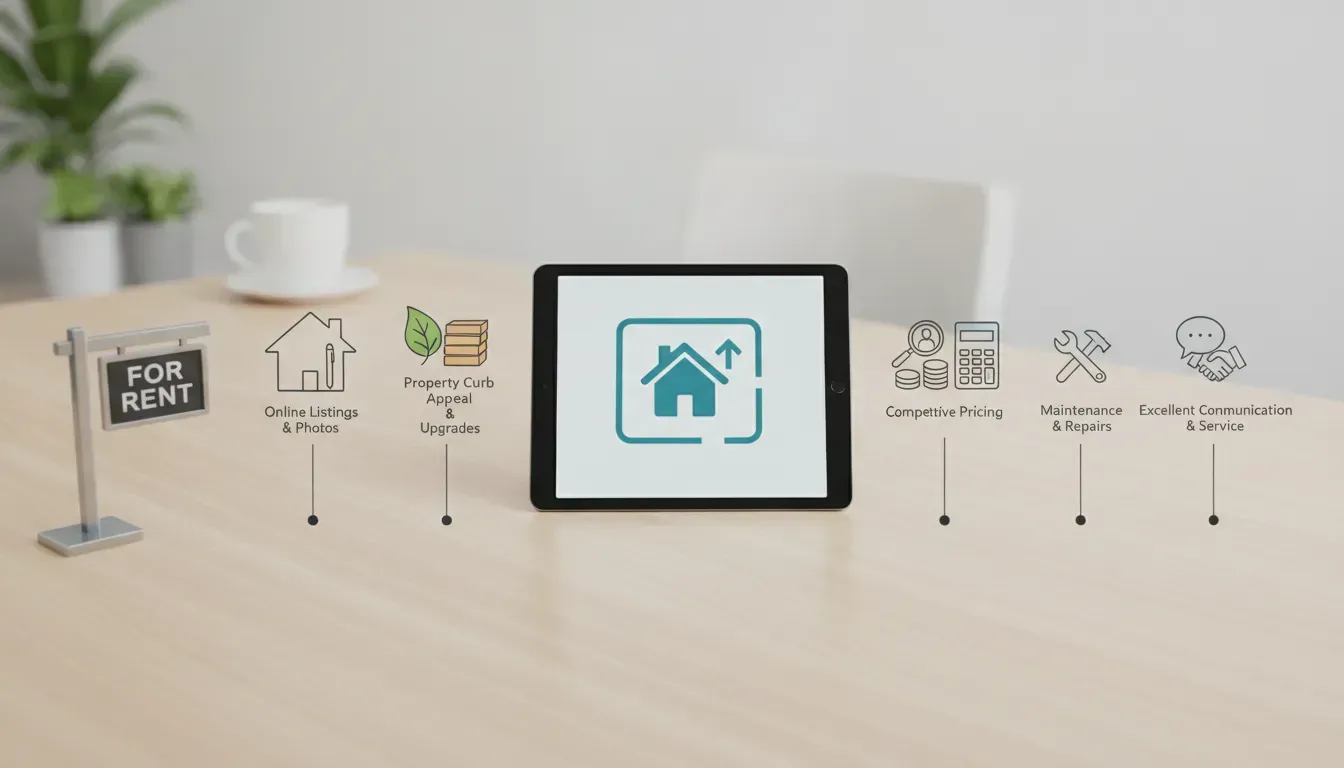
A vacant rental property can quickly become an expensive problem. Each empty week may mean lost rent while insurance, utilities, taxes, and maintenance costs continue. The good news is that attracting renters does not require guesswork. When you understand how to attract tenants for rental property, you can make better decisions about pricing, presentation, marketing, and communication. Start by preparing a clean, safe, well-maintained home. Then highlight the features renters use every day, such as convenient parking, laundry, storage, outdoor space, and reliable maintenance. With accurate listing details and a consistent screening process, you can reach more qualified applicants while giving them the information they need to choose confidently.
Key Takeaways
- Get the property ready first: Complete needed repairs, clean every area, test appliances and systems, and document the home’s condition before listing it.
- Present clear value to renters: Use current photos, accurate pricing, complete fee details, and specific information about parking, laundry, pets, storage, utilities, and nearby amenities.
- Keep leasing consistent and responsive: Reply promptly, offer convenient showings, use written screening criteria, protect applicant information, and provide clear updates through move-in and renewal.
Plan How to Attract Tenants for a Rental Property
Attracting suitable tenants starts before you publish a rental listing. A clear plan helps you present the property accurately, reach renters who are searching for its features, and create reasonable expectations from the first interaction. It also gives you a consistent process for pricing, marketing, responding to inquiries, and reviewing applications.
Begin with an honest review of the property. Consider its location, layout, monthly rent, amenities, condition, parking, pet policy, and access to nearby services. A two-bedroom apartment close to employment centers may appeal to working professionals, while a single-family home with a yard, storage, and multiple bedrooms may suit households seeking more space. These details should shape your listing without limiting who may apply.
Next, identify the places where local renters look for housing. Use a combination of online rental platforms, social media, community networks, signage, and referrals. Property owners working with Legacy Management can direct prospective tenants to the company’s rental vacancies page, which features available homes, apartments, and townhomes in the communities it serves.
A successful leasing plan also accounts for the renter’s experience. Make the property easy to understand, keep information current, respond promptly, and explain the next steps clearly. When the pricing, photos, property details, and application process all support the same message, qualified renters can decide more easily whether the home meets their needs.
Define the Best-Fit Renter for the Property
Start by identifying the practical needs the property is best equipped to meet. Review the number of bedrooms, floor plan, storage, parking, laundry options, pet policy, commute routes, and nearby grocery stores, parks, schools, or employment centers. This information can help you decide which features deserve the most attention in the listing.
For example, a home with a dedicated office area may appeal to renters who need workspace, while a property near public transportation may be convenient for people commuting without a car. Focus on property characteristics rather than personal traits. Do not market toward or away from people based on age, race, religion, disability, family status, sex, or other protected characteristics.
The way a property is designed can affect how renters use it. Wolfnest’s research on rental property design can help owners think through which layouts and features to highlight when preparing a home for lease.
Market the Property Inclusively
Effective marketing describes the rental clearly and gives every qualified applicant the same opportunity to learn more. Use straightforward language about the property’s size, condition, monthly rent, deposits, utilities, amenities, pet rules, lease length, and application requirements. Avoid phrases that imply a preferred type of tenant, such as references to a specific family structure, age group, gender, or lifestyle.
Good marketing also depends on accuracy. Use recent photos, identify important limitations, and update the listing when availability or pricing changes. If parking is limited, say so. If tenants pay certain utilities, include that information before a showing. Clear details help renters assess the property and may reduce inquiries from people whose needs do not match the home.
Review your advertising and leasing practices against HUD’s fair housing guidance. A consistent, property-focused approach supports fair treatment and helps create a more professional experience for applicants.
Research Local Rental Demand
Study comparable rentals before setting the price or choosing your primary marketing channels. Compare properties with similar bedroom counts, square footage, layouts, locations, condition, parking, appliances, laundry options, outdoor space, and utility arrangements. Looking only at the lowest or highest nearby rent can give you an incomplete picture.
Pay attention to more than the advertised price. Note how quickly similar properties lease, whether listings offer concessions, how many showings they receive, and which features appear repeatedly. If comparable homes remain available for an extended period, demand may be limited, or the properties may not be priced and presented effectively.
Pricing too high can extend vacancy and increase the cost of finding a tenant. Pricing too low may create strong interest but reduce the income available for maintenance and other operating expenses. HomeRiver Group recommends comparing similar nearby properties before setting rent and considering local demand when planning a lease.
Set Leasing Goals and a Marketing Budget
Set measurable goals before the property goes live. For example, you may aim to schedule a certain number of showings each week, receive applications within a target timeframe, or keep advertising expenses below a defined amount. These benchmarks make it easier to review results and adjust your approach.
Build a simple budget that includes photography, listing fees, signage, cleaning, repairs, staging, and promotional materials. You may not need to spend heavily in every category, but polished presentation and accurate information are worthwhile investments. Track each inquiry by source so you can see which channels produce useful leads and completed applications.
Your leasing process should be consistent from start to finish. Present the property well, respond promptly, offer reasonable showing times, apply written screening criteria evenly, and document important communications. This approach can make leasing more organized for owners and less confusing for renters. Homeowners who prefer assistance with marketing, showings, and applications can review Legacy Management’s property management services.
Match Property Features to Renter Priorities
Use your local research to connect the property’s strongest features with everyday renter needs. Reliable internet access, strong cell service, efficient appliances, laundry facilities, parking, storage, outdoor space, and practical layouts can all influence a leasing decision. If the home includes these features, mention them near the beginning of the listing instead of burying them in a long description.
Consider the full value of each improvement before spending money. A repair that improves safety or prevents recurring maintenance may deserve priority over a cosmetic change. Likewise, energy-efficient appliances or better insulation may help control utility costs, but the expected benefit should fit the property and local market.
Renter preferences vary by location and household, so use broad research as a starting point rather than a checklist. NREMG’s overview of renter priorities identifies dependable internet, cell coverage, and energy-conscious features as considerations for property owners. Compare those preferences with feedback from local inquiries and showings to decide which features to emphasize.
What Do Tenants Look For in a Rental Property?
Renters want more than four walls and a lease. They look for a home that fits their routine, feels comfortable, and offers good value for the monthly cost. A young professional may care most about commute time and reliable internet, while a family may prioritize storage, laundry, and nearby parks. Pet owners need clear animal policies, and nearly every renter wants prompt communication when something needs attention.
Location and price still influence rental decisions, but they are only part of the picture. Clean, well-maintained spaces, practical amenities, accurate listing details, and professional management can make a property more appealing. Research on what modern renters want in a rental home also highlights convenient access to shopping, transportation, parks, and other neighborhood amenities.
Landlords can attract more qualified interest by focusing on features renters use every day. The following priorities can help you prepare a property, write stronger listing copy, and create an experience that encourages residents to stay.
Choose Convenient Locations Near Amenities
Location affects how easily tenants manage their daily lives. Renters often look for homes near grocery stores, pharmacies, restaurants, schools, parks, public transportation, and major roads. A convenient location can shorten commutes and simplify errands, which matters to busy professionals and families.
When describing a property, explain what is nearby without overstating its convenience. Mention approximate driving or walking distances to useful destinations, along with access to local employers, recreation, and public services. A listing might highlight a nearby grocery store, a short commute to a business district, or access to a neighborhood trail.
The most expensive neighborhood is not always the best fit. Many renters will consider a home farther from a central business district if it offers reasonable rent, dependable transportation, and a comfortable setting. Focus on the lifestyle the location supports, not just its street address. For more insight, review this guide to features modern renters want.
Offer Clean, Safe, Well-Maintained Spaces
A clean, well-maintained property creates a strong first impression before a prospective tenant steps inside. Fresh paint, clean floors, working lights, tidy landscaping, and functional fixtures show that the home receives regular care. These details also help renters picture themselves living there.
Safety deserves the same attention. Check doors, windows, locks, smoke detectors, carbon monoxide detectors, stairs, railings, and exterior lighting before listing the property. Address visible maintenance concerns rather than waiting for a prospective tenant to point them out. A documented inspection can help identify problems that are easy to miss during a quick walkthrough.
Tenants also notice how a property looks and feels during a showing. A clean home may suggest that maintenance requests will receive prompt attention after move-in. This guide on finding tenants for a rental property also emphasizes the importance of presenting a home in good condition.
Provide Practical Layouts and Ample Storage
Renters want spaces that support their routines. An attractive layout matters, but so does the way each room functions. Open kitchens, usable living areas, comfortable bedrooms, and clearly defined spaces can make a home easier to furnish and enjoy. A designated work or study area may also appeal to professionals, students, and families.
Storage is another practical priority. Closets, kitchen cabinets, bathroom storage, basements, garages, and exterior storage can influence a renter’s decision. If storage is limited, describe it honestly and point out available alternatives, such as a linen closet or shared storage area.
Before listing a property, walk through it as a prospective tenant would. Consider where residents will keep coats, cleaning supplies, bicycles, tools, pantry items, and seasonal belongings. Thoughtful layouts and useful storage can improve daily satisfaction, as explained in this overview of rental property design.
Update Kitchens, Bathrooms, and Appliances
Kitchens and bathrooms often carry significant weight because tenants use them every day. A complete remodel is not always necessary. Replacing worn cabinet hardware, repairing damaged countertops, improving lighting, refreshing grout, or updating faucets can make these rooms feel cleaner and more functional.
Appliances also affect convenience and monthly expenses. Reliable refrigerators, ranges, dishwashers, washers, and dryers can make a home more appealing, especially for families and busy renters. Energy-efficient appliances and lighting may help reduce utility use over time. If an appliance is included, state its condition and explain who handles repairs.
Prioritize updates that improve function, appearance, and durability. Avoid spending on cosmetic changes that do not address a noticeable issue. Before making improvements, compare the expected cost with local demand and the features offered by similar rentals. This guide to renter-preferred property features discusses how efficient appliances and lighting can affect appeal.
Include Parking, Laundry, Garages, and Outdoor Space
Convenient amenities can influence whether a renter schedules a showing or chooses one property over another. Off-street parking, a garage, on-site laundry, private laundry hookups, and a patio or yard can make everyday life easier. These features may matter especially to families, residents with pets, and people who commute by car.
Be specific about what the property includes. Explain whether parking is assigned, shared, or first come, first served. Clarify whether laundry is inside the unit, in a shared area, or available through hookups. If a garage or storage area is included, mention its approximate size and any access restrictions.
Outdoor space can add appeal, but it also comes with responsibilities. State who handles lawn care, snow removal, and other exterior upkeep. Accurate details help renters decide whether the property fits their needs and reduce misunderstandings after move-in. If a home lacks one amenity, highlight other practical benefits, such as generous storage or an affordable monthly price.
Set Clear Pet-Friendly Policies
Many renters consider their pets part of the household, so pet policies can affect their interest in a property. A clear policy helps applicants understand their options before applying. Explain whether cats, dogs, or other animals are allowed, along with any limits on number, size, breed, fees, deposits, or monthly pet rent.
Put the policy in writing and apply it consistently. Listing language should be accurate and should not discourage applicants based on protected characteristics. It should also distinguish between pets and assistance animals. Assistance animals may require reasonable accommodation under applicable housing laws and are not treated as pets simply because they live with a resident.
Ask only for information permitted by law, and handle accommodation requests through an established process. Clear communication benefits everyone. Renters can decide whether the home suits their needs, while owners can set expectations about animal-related responsibilities, property care, and lease compliance.
Add Smart Features, Internet, and Energy Efficiency
Reliable internet is a practical requirement for many renters. Young professionals may work from home, families may rely on online services, and students may need dependable access for schoolwork. If internet service is available, explain the provider options, connection type, and whether the tenant or owner pays the bill.
Smart features can add convenience when they are simple to use. Useful examples include programmable thermostats, keyless entry, smart lighting, leak sensors, and energy monitors. These features should support the home without creating unnecessary complexity. Provide clear instructions and explain how tenant data and access information are handled.
Energy efficiency can also affect a renter’s monthly budget. LED lighting, efficient appliances, insulation, weatherstripping, and well-maintained heating and cooling systems may reduce energy use. Avoid promising a specific savings amount unless you can support it. Instead, describe improvements accurately and identify which utilities the tenant pays. This overview of renter preferences includes reliable internet and efficient features among important considerations.
Offer Fair Pricing and Transparent Lease Terms
Renters compare the full cost of a home, not just the advertised monthly rent. They may also need to budget for security deposits, application fees, pet charges, utilities, parking, laundry, and renter’s insurance. Listing these expenses clearly helps applicants decide whether the property fits their budget before scheduling a showing.
Set rent by comparing similar local properties and adjusting for size, condition, location, included utilities, and amenities. A home priced too high may sit vacant, while one priced too low may create financial pressure. Review comparable listings regularly and keep the advertised price consistent across marketing channels. As this guide to attracting reliable tenants explains, pricing can affect both applicant quality and vacancy time.
Lease terms should be easy to understand. Explain the lease length, renewal process, late fees, maintenance responsibilities, notice requirements, and policies for guests, smoking, parking, and pets. Transparent terms establish trust early and reduce confusion after move-in.
Provide Responsive, Professional Management
Management quality can determine whether a renter applies, renews, or recommends a property to someone else. Applicants want timely answers, clear next steps, and respectful communication. After move-in, they need a dependable way to report maintenance issues, ask questions, and receive updates.
Professional management does not mean every issue is resolved instantly. It means requests are acknowledged, prioritized, documented, and handled through a clear process. Tenants should know how to submit maintenance requests, who to contact after hours, and which repairs require immediate attention.
Consistent management also helps owners protect property condition and resident retention. When tenants feel heard and well-informed, they may be more likely to care for the home and remain in place. Legacy Management provides property management services for owners in the Iowa and Illinois Quad Cities, Ames, and Peoria, including leasing, tenant communication, maintenance coordination, and cost control. Residents can use the tenant portal to access rental information and submit service requests.
How Should Landlords Prepare a Rental Property for Listing?
Preparing a rental property before listing it can improve the first impression, attract more serious applicants, and reduce avoidable delays between tenants. Before publishing photos or scheduling showings, walk through the home as if you were seeing it for the first time. Look for anything that appears neglected, confusing, unfinished, or likely to raise questions.
This process also gives you an opportunity to identify maintenance concerns before they become urgent repairs. Check each room, test essential systems, review the property’s safety features, and confirm that the listing details will be accurate. A clean, functional, well-maintained home is easier for prospective tenants to picture themselves living in.
Use a written checklist to keep the preparation organized. Guidance from HomeRiver Group on preparing a rental property includes completing repairs, deep-cleaning the property, improving curb appeal, and checking appliances and plumbing. If you work with a local property manager, the team at Legacy Management can help coordinate property preparation, maintenance, and leasing tasks.
Complete Repairs and Safety Checks
Start with small repairs that prospective tenants are likely to notice. Fix leaking faucets, replace broken blinds, tighten loose cabinet handles, repair damaged doors, and replace burned-out light bulbs. Minor issues can make a home seem poorly maintained when they appear during a showing.
Then complete a basic safety review. Check smoke detectors, carbon monoxide detectors, handrails, locks, windows, outlets, stairways, and exterior lighting. Address trip hazards, exposed wiring, water damage, and other concerns before inviting applicants inside.
Confirm that the property meets applicable local housing, building, and fire-safety requirements. Keep written records of repairs, inspections, and completed work. These records help you track the home’s condition and provide accurate information to prospective tenants.
Deep-Clean and Declutter Every Room
A clean home feels more comfortable and allows renters to focus on the property’s features. Clean floors, windows, appliances, baseboards, ceiling fans, vents, cabinets, and light fixtures. Pay close attention to kitchens and bathrooms, where grease, soap residue, mildew, and odors can affect a renter’s impression quickly.
Remove personal belongings, excess furniture, trash, and anything that makes rooms feel crowded. Avoid stuffing closets or cabinets with items that should be removed. Applicants should be able to see how much storage each space provides.
Do not overlook garages, basements, patios, laundry rooms, and utility areas. Arrange professional carpet or upholstery cleaning when needed. A consistent cleaning checklist can help ensure that every room receives the same attention before photos and showings.
Improve the Property’s Curb Appeal
The exterior is often the first part of a rental property a prospective tenant sees. Mow the lawn, trim bushes, remove weeds, clear walkways, and collect leaves or debris. Sweep porches, entry steps, balconies, and garages so the property feels cared for from the moment someone arrives.
Inspect the entry area for peeling paint, loose railings, damaged screens, and burned-out exterior lights. Make sure the front door opens smoothly and that the lock works properly. Clean house numbers and a tidy doormat can also make the entrance feel more welcoming.
If the rental includes outdoor space, describe it accurately in the listing. Mention features such as a patio, balcony, yard, or storage area, but do not promise landscaping services or outdoor amenities that are not included in the lease.
Prioritize High-Value Updates
A rental property does not always need a major renovation before listing. Focus on improvements that support safety, durability, comfort, or lower operating costs. Fresh neutral paint, durable flooring, updated lighting, and modern fixtures can make a home feel cleaner and easier to maintain.
Energy-efficient appliances and lighting may appeal to renters who want to manage monthly utility costs. The National Rental Estate Management Group identifies energy efficiency as a feature many renters value. Before making an update, consider its installation cost, expected lifespan, maintenance needs, and likely effect on rent or vacancy time.
Review comparable rentals before choosing upgrades. A practical improvement that matches local renter demand may provide more value than an expensive renovation that nearby tenants do not expect.
Test Plumbing, Lighting, and Appliances
Test every faucet, shower, toilet, drain, outlet, light switch, ceiling fan, and included appliance. Look for slow drains, inconsistent water temperature, low water pressure, flickering lights, unusual noises, and signs of leaks. Check beneath sinks and around toilets for moisture or water damage.
Run the refrigerator, oven, dishwasher, microwave, washer, and dryer if they are included. Confirm that doors seal properly, burners heat evenly, and appliances show no error codes. Replace missing shelves, damaged knobs, loose cords, and worn seals as needed.
Record which appliances and fixtures will remain in the property. Include that information in the listing and lease so prospective tenants understand what comes with the rental. Fixing problems before showings can also reduce urgent maintenance requests after move-in.
Inspect Heating and Cooling Systems
Comfortable heating and cooling are basic renter expectations. Replace HVAC filters, test thermostats, check vents, and confirm that the system starts, stops, and operates consistently. Look for unusual smells, weak airflow, strange sounds, or rooms that are much warmer or cooler than others.
Schedule professional service when the system is overdue for maintenance or shows signs of trouble. An inspection can identify small problems before they cause an expensive breakdown or interrupt a tenant’s first weeks in the home. Keep documentation of completed service for your records.
If the rental has window units, boilers, fireplaces, or other supplemental systems, test those features as well. Explain operating instructions in the move-in materials. Routine maintenance and quarterly inspections can help identify problems early, as Belong’s guidance for attracting reliable tenants also recommends.
Add Practical Smart-Home Features
Smart-home features can make a rental more convenient when they serve a clear purpose. Consider keyless entry, Wi-Fi thermostats, programmable controls, leak sensors, or exterior lighting timers. These features may appeal to renters who value convenience and simple ways to manage their homes.
Choose devices that are reliable, easy to reset, and compatible with common phones or networks. Provide clear instructions and explain who manages the account, replaces batteries, pays subscription fees, and handles troubleshooting.
Privacy should remain a priority. Do not place cameras or recording devices inside a rental home. If an exterior security device is included, disclose it clearly and follow applicable laws. Smart features should make the property easier to use, not create confusion or unnecessary obligations for tenants.
Stage the Home for Photos and Showings
Arrange the property so rooms look bright, functional, and appropriately sized. Use neutral paint and simple furnishings when staging an empty home. Open blinds, turn on lights, and take photos during daylight whenever possible. Remove personal items and furniture that blocks walkways or makes the layout difficult to understand.
Stage each room according to its likely purpose. A small bedroom may need only a bed and compact nightstand, while an open living area can show space for seating and dining. Keep decorations simple so prospective tenants can imagine their own belongings in the home.
Before taking photos, clean mirrors and windows, hide trash cans, straighten bedding, and close toilet lids. Use recent images that accurately represent the property. Misleading photos may create more inquiries at first, but they can waste showing time and disappoint applicants.
Make the Property Move-In Ready
A move-in-ready rental should be clean, functional, and prepared for occupancy on the advertised date. Complete repairs, finish cleaning, remove leftover materials, and make sure included appliances and fixtures work. Confirm that keys, garage remotes, mailbox access, entry codes, and utilities are ready for the new tenant.
Prepare a move-in checklist that records the condition of floors, walls, windows, appliances, fixtures, and outdoor areas. Take dated photos before the tenant receives possession, then complete a walkthrough so both parties can document existing wear. Clear records protect the tenant and owner by creating a shared reference point.
Organize information the tenant will need, including trash procedures, utility contacts, maintenance instructions, parking rules, and portal access. New residents can use the Legacy Management tenant portal to access services and communicate with the management team after moving in.
How Should Landlords Set the Right Rental Price?
Setting rent starts with understanding the local market, but the best price also reflects the property itself. A well-maintained home with useful amenities may justify a higher rent than a similar property with older finishes or fewer conveniences. At the same time, renters usually compare several homes before applying, so an inflated price can lead to longer vacancies and fewer qualified inquiries.
Review comparable properties, calculate the full monthly cost, and account for expenses before publishing a listing. It also helps to consider the type of renter most likely to choose the home. A family may value a yard, garage, and nearby schools, while a young professional may prioritize convenient transportation, laundry, and a home office area.
Pricing should not be a set-it-and-forget-it decision. Monitor how renters respond to the listing, then adjust when the results suggest that the price, presentation, or terms are not competitive. Landlords can review available local rentals to see how comparable homes are priced and presented in the market.
Compare Similar Local Rentals
Start by reviewing homes that closely match your property. Focus on rentals in the same neighborhood or in nearby areas with similar access to employers, schools, shopping, public transportation, and major roads. Compare bedrooms, bathrooms, square footage, parking, outdoor space, pet policies, included utilities, and overall condition.
Use current listings whenever possible. Older listings may not reflect present demand or recent changes in the rental market. A property priced well above comparable homes may remain vacant longer, while one priced too low could reduce your annual return. HomeRiver Group recommends comparing nearby rental properties before setting the asking rent.
Use the Local Median as a Baseline
The local median rent gives you a practical starting point. Gather several comparable listings and identify the middle price instead of relying on a single property that may be unusually expensive or inexpensive. Separate your comparisons by property type, since apartments, townhomes, and single-family homes often attract different renters.
You may decide to price slightly below the median when filling the vacancy quickly is a priority. Some landlords consider setting rent at about 90% to 95% of the local median to encourage early interest, though the right figure depends on the property and market. Belong provides additional guidance on using local rent data to attract reliable tenants. Review the listing’s performance after it goes live and adjust based on actual responses.
Adjust for Condition, Size, and Amenities
The number of bedrooms does not tell the whole story. A home with a renovated kitchen, newer appliances, fresh flooring, central air conditioning, in-unit laundry, or a garage may appeal to more renters than a similar property with older features. Size, layout, storage, natural light, and outdoor space can also affect what renters consider a fair price.
Base any premium on features that offer clear, practical value. For example, a well-maintained home with updated appliances may support a modest increase, while a major rent jump may discourage otherwise interested applicants. Belong suggests considering a flat premium of about $50 to $100 for meaningful upgrades, depending on the local market. Describe each feature accurately so renters understand the reason for the price.
Calculate the Full Monthly Cost
Rent is only one part of a tenant’s monthly housing budget. List every recurring charge before you publish the property, including water, sewer, trash, parking, storage, pet rent, utility reimbursements, and other required fees. Decide which costs the owner will cover and which the tenant will pay directly to a utility provider.
Present these details clearly in the listing. Include one-time charges, such as the security deposit and application fee, along with recurring costs whenever possible. Transparent pricing helps renters compare properties accurately and reduces confusion during the application process. NREMG’s guidance on renter priorities and property costs also highlights the importance of explaining utilities and fees upfront.
Account for Vacancy and Operating Expenses
A rental may look profitable until you include the costs of operating it and the possibility of vacancy. Account for property taxes, insurance, routine maintenance, landscaping, snow removal, owner-paid utilities, management fees, repairs, and reserves for larger replacements. Appliances, roofs, heating and cooling systems, and water heaters eventually require attention.
Estimate a realistic vacancy period rather than assuming the property will be occupied every month. A slightly lower rent that attracts a qualified tenant quickly may produce better annual results than a higher price followed by several vacant weeks. Review your calculations regularly, especially after major repairs, changes in insurance, or shifts in local demand. HomeRiver Group also recommends considering vacancy and operating expenses when setting rent.
Consider Seasonal Renter Demand
Rental activity often changes throughout the year. Demand may increase during the summer as families prepare for a new school year and students or recent graduates relocate. Seasonal patterns can be especially noticeable near colleges and universities, although each property and community has its own rental cycle.
Consider these patterns when planning your listing date and marketing approach. A family-oriented home may attract more attention during one part of the year, while an apartment near an employment center may see steady demand. During a slower period, listing earlier, improving the property’s presentation, or offering a suitable lease term may help. HomeRiver Group explains how seasonal demand can affect rental marketing and tenant activity.
Use Concessions and Flexible Terms Carefully
A short-term concession can help attract attention without permanently lowering the monthly rent. Possible offers include half off the first month, a waived application fee, included parking for a limited time, or a move-in credit. State the amount, eligibility requirements, and timing clearly so every prospective tenant receives the same information.
Flexible lease terms may appeal to renters who cannot commit to a standard 12-month agreement. However, shorter leases can create more turnover, marketing costs, inspections, and maintenance work. Compare the value of the incentive with the cost of extended vacancy or additional turnover. Apply promotions consistently and describe them accurately. HomeRiver Group shares examples of rental incentives for competitive markets.
Track Inquiries, Showings, and Applications
A listing’s performance can help you evaluate the price. Track views, inquiries, scheduled tours, completed showings, applications, approvals, and signed leases. Record common questions or concerns as well. If renters repeatedly ask about utility costs, parking, pets, or the rent itself, the listing may need clearer information or a pricing review.
Many views with few inquiries may indicate that the price or presentation needs attention. Numerous inquiries with few showings may point to limited availability, unclear requirements, or a mismatch between the photos and the property. Respond the same day whenever possible, then review the results after the first week. Monitoring inquiries and showings gives you useful information for future pricing decisions.
Keep Pricing Consistent Across Platforms
Use the same rent, fees, availability date, incentives, utility responsibilities, and lease terms everywhere the property appears. Inconsistencies between your website, rental platforms, social media posts, and signs can confuse renters and create unnecessary follow-up questions. Outdated information may also lead to inquiries from people who are responding to terms that no longer apply.
Keep one master version of the listing details and update it whenever the price or terms change. Remove old posts promptly, check third-party platforms, and confirm that all advertising reflects the current availability. If a property manager handles your leasing, review the company’s management services to understand how listings, showings, and tenant communication are handled. Accurate, consistent information helps renters make informed decisions and keeps the leasing process organized.
Create a Rental Property Listing That Gets Attention
A rental listing is often a prospective tenant’s first impression of a property. Clear details, appealing photos, and simple next steps can help the right renters decide whether to schedule a showing. Your listing should answer common questions before someone reaches out, including the monthly rent, available date, pet policy, parking options, utility responsibilities, and lease terms.
Focus on accurate information instead of exaggerated claims. When renters know what to expect, they can decide whether the property fits their needs, and you spend less time answering the same basic questions. Use the following steps to create a listing that is useful, appealing, and easy to act on.
Lead With the Property’s Strongest Features
Start with the features renters are most likely to value. Depending on the property, these may include in-unit laundry, updated appliances, extra storage, off-street parking, a garage, outdoor space, or a pet-friendly policy. Place these details near the beginning of the listing instead of hiding them in a long paragraph.
Consider how the home’s features serve different households. A young professional may care about parking and a convenient commute, while a family may prioritize bedrooms, storage, nearby parks, and a practical layout. Use specific language, such as “two-bedroom home with in-unit laundry and a fenced backyard,” rather than vague phrases like “beautiful home with tons of amenities.” HomeRiver Group recommends highlighting popular rental features that can help a property stand out.
Write Accurate, Search-Friendly Listing Copy
Use a clear title that includes the property type, bedroom count, and location. “Two-Bedroom Apartment in Davenport, Iowa” tells renters exactly what they are viewing and is more useful than a vague title such as “Wonderful New Listing.”
Follow the title with a concise description and an easy-to-scan list of key details. Include the city or neighborhood, approximate square footage, parking, laundry, pet rules, utilities, lease length, and move-in date. Use local search terms renters may enter, such as “apartment near downtown Peoria” or “townhome in Ames.” Review the copy before publishing to confirm it matches the property’s current condition and availability. HomeRiver Group’s rental marketing guidance also recommends using specific property details and local search terms.
Use Bright, Recent, High-Quality Photos
Photos help renters understand a property’s size, layout, and condition before they schedule a visit. Take recent photos of every major room, including the kitchen, bathrooms, bedrooms, living areas, laundry space, storage areas, and outdoor spaces. Open blinds, turn on lights, and remove clutter so each room appears bright and easy to assess.
Your images should represent the available property accurately. Replace outdated photos after renovations, repairs, or changes to the layout. Include the exterior, entrance, parking area, garage, and shared amenities when they affect the rental experience. Avoid using heavily edited images that make rooms appear larger or different from reality. HomeRiver Group’s recommendations for rental photos emphasize recent, high-quality images, natural lighting, and uncluttered rooms.
Show Every Important Room and Amenity
Give renters a complete picture of what daily life may look like in the property. Along with the main living spaces, photograph practical areas that may affect a leasing decision. These can include closets, pantries, basements, garages, laundry rooms, balconies, patios, common areas, and assigned parking spaces.
Describe services that add value beyond the physical space, too. Responsive maintenance, convenient resident communication, secure entry, package storage, lawn care, and snow removal may be important to prospective tenants. Explain how each service works and whether an additional fee applies. If an amenity is shared, identify it as such. Specific information helps renters compare properties fairly and reduces confusion during showings. It also gives them a better sense of the service they can expect after moving in.
Add Video Tours, Virtual Tours, and Floor Plans
Photos do not always show how rooms connect or how much usable space a property offers. A short video tour can help renters understand the flow from the entryway to the living areas, bedrooms, kitchen, and outdoor spaces. Keep the video steady, well lit, and focused on the property. Walk through each room at a natural pace, and avoid adding distracting effects.
A virtual tour can help people who cannot attend an in-person showing right away. Floor plans are useful for renters who want to determine whether their furniture will fit or whether the layout suits their household. Label each room clearly and include measurements only when they are accurate. Belong’s rental marketing guidance notes that 3D tours may improve conversion, but every visual should match the actual property.
Describe Location Benefits Factually
Location can play a major role in a renter’s decision. Mention nearby features that support everyday life, such as grocery stores, parks, schools, public transportation, major roads, medical facilities, restaurants, and employment centers. Concrete information is more helpful than broad claims such as “the best neighborhood in town.”
Check distances, travel times, and nearby services before publishing the listing. If you mention a commute, clarify that travel time can vary with traffic. Keep the wording focused on the property and its surroundings, rather than suggesting that the home is intended for a particular type of person or household. For example, “near grocery stores, public parks, and Route 30” is clear and useful. HomeRiver Group recommends describing local benefits with accurate details renters can use.
Publish Rent, Fees, Utilities, and Lease Terms
Clear pricing helps renters decide whether a property fits their budget before they contact you. List the monthly rent, security deposit, application fee, pet fees, parking costs, and any other required charges. Explain which utilities the tenant pays and which, if any, are included. When a fee varies, state what determines the amount.
Include the lease length, available date, renewal information when known, income requirements, pet rules, smoking policy, and application process. Set screening standards before advertising and apply them consistently to every applicant. Do not wait until the showing or application stage to reveal important costs or requirements. Belong recommends establishing clear screening standards before advertising, so renters can understand the process before applying.
Update Availability and Listing Details Promptly
An outdated listing can frustrate renters and create unnecessary work for property owners. Remove a property from active advertising when it is no longer available, or label it as pending or leased if you are still accepting inquiries. Review the rent, move-in date, photos, amenities, and application instructions whenever something changes.
Respond to questions promptly, especially when a renter wants to schedule a showing. If the property is occupied, explain when showings may begin. If repairs or cleaning will delay move-in, update the available date rather than leaving renters to guess. Owners working with Legacy Management can direct prospective tenants to the company’s current vacancies page, which features available homes, apartments, and townhomes in the Quad Cities, Ames, and Peoria areas.
Expand Marketing Reach Across the Right Channels
A well-prepared rental property still needs a focused marketing plan. Posting in one place may limit your reach, since renters often compare listings across rental websites, social media, local groups, and property management pages. Use several channels, then keep the details consistent across each one.
Every listing should include the monthly rent, availability date, security deposit, pet policy, major amenities, lease terms, and showing instructions. Accurate information helps applicants decide whether the property fits their needs and reduces avoidable questions. Clear photos and prompt responses also encourage serious renters to take the next step.
Marketing several properties can quickly become time-consuming. Legacy Management serves tenants and property owners in the Iowa and Illinois Quad Cities, Ames, and Peoria, with support for listings, showings, applications, and leasing. Property owners can learn more about its property management services.
Post on High-Traffic Rental Platforms
List the property on well-known rental websites such as Zillow, Trulia, Apartments.com, and Rent.com. These platforms attract renters who are actively comparing homes, apartments, and townhomes, making them useful places to promote an available property.
Use the same core information on every platform, including the property type, bedroom and bathroom count, rent, fees, amenities, pet rules, and showing instructions. Check each listing after publishing to ensure the details and photos display correctly.
Update the listing as soon as the property is leased or an important detail changes. Respond to questions promptly, since renters may contact several landlords in a short period. HomeRiver Group recommends using high-traffic rental sites and keeping listings current to attract more qualified inquiries.
Feature Available Homes on Legacy Management’s Vacancies Page
If Legacy Management manages the property, feature the home on its vacancies page. This gives prospective tenants a direct place to view available rentals managed by a local company. Renters can compare options by location, price, property type, and features.
A strong vacancy listing should answer common questions before a renter schedules a tour. Include recent photos, rent details, bedroom and bathroom counts, pet information, parking details, and the expected move-in date. Accurate information helps applicants focus on homes that fit their needs and budget.
A property management team can also coordinate inquiries, showings, applications, and lease preparation. This creates a more organized experience for prospective tenants while helping owners keep the leasing process moving.
Share Listings on Social Media
Social media can reach people who may not be checking rental websites yet. Share available properties on Facebook Marketplace, local housing groups, and neighborhood pages that allow rental posts. Use bright photos and a short description that highlights the most useful details.
Mention the neighborhood, rent, availability date, bedroom count, and the best way to request a showing. Direct interested renters to the complete listing or application page instead of asking them to send personal documents through social media. Remove or update the post when the property is no longer available.
Paid social promotions may reach a wider audience, but review each platform’s housing advertising rules before paying for placement. Keep the wording focused on the property’s features and location, not personal preferences about the people who should rent it.
Reach Local Housing Groups and Networks
Local relationships can connect you with renters who are moving for work, school, or family reasons. Share accurate availability information with relocation companies, university housing offices, local employers, and human resources departments. These organizations may regularly assist people who need housing in the area.
Make the information easy to pass along. Provide a direct listing link, rent range, location, property type, availability date, and contact details. Ask whether the organization has rules for housing referrals before sending promotional materials.
This strategy can be particularly useful in the Iowa and Illinois Quad Cities, Ames, and Peoria. Regardless of how someone learns about the property, use the same written screening criteria and application process for every applicant.
Use Signs, Referrals, and Community Connections
A professional yard sign can attract attention from people who already live or work near the property. Include the management company’s name, website, and phone number, along with a short way to find the complete listing. Keep the design simple enough to read from the street.
Referrals can also introduce you to qualified applicants. Let current tenants, neighbors, and local contacts know when a home is available, but do not ask them to recommend people based on protected characteristics. Every referral should lead to the same application process used for all other applicants.
If you offer a referral fee or another incentive, explain the terms in writing and follow applicable laws. Record where each inquiry came from, then compare referrals by showings, applications, and completed leases.
Promote Move-In Incentives Transparently
A limited move-in incentive may help a property stand out when several similar rentals are available. Examples include a reduced first month’s rent, a waived application fee, or a credit toward an eligible move-in cost. Use clear language so applicants understand both the offer and the regular rental costs.
State the exact terms in the listing. Explain the incentive’s value, who qualifies, the required lease length, the deadline, and any restrictions. For example, “Half off the first month’s rent with a 12-month lease, subject to approved application” is more useful than “special offer.”
An incentive should not change your screening standards. Apply the same written criteria to every applicant, and make the offer available on the same terms to everyone who qualifies. Clear promotions help prevent confusion during the application and lease-signing process.
Track Leads by Marketing Source
Record how each prospect found the property, whether through Zillow, social media, a referral, a yard sign, or the Legacy Management vacancies page. Add a simple source question to your inquiry form, then track leads, showings, applications, and signed leases by channel.
Review the results regularly. A platform that generates many inquiries may produce few qualified applications, while a smaller source may lead to more completed leases. Compare performance with the cost of each channel and the time needed to manage it.
Respond to inquiries the same day whenever possible. Fast, helpful communication matters when renters are comparing several homes. Tracking response times and showing conversions can also reveal where the leasing process needs attention.
Avoid Misleading or Discriminatory Advertising
Rental advertising should describe the property, lease terms, and available amenities, not the type of person you hope will rent it. Avoid language that suggests a preference based on race, color, religion, sex, national origin, familial status, disability, or another protected characteristic. The U.S. Department of Housing and Urban Development explains fair housing advertising requirements.
Use factual wording such as “two-bedroom home near public transportation” instead of phrases that imply who belongs in the neighborhood. Avoid descriptions such as “perfect for singles,” “ideal for families,” or “not suitable for children,” since they may discourage qualified applicants and create fair housing concerns.
Apply the same written rental criteria to every applicant, including income requirements, credit standards, rental history expectations, and application procedures. Keep records of your advertising, screening decisions, and communications to support a consistent and fair process.
Turn Rental Inquiries Into Showings Quickly
Rental inquiries are often time-sensitive. Prospective tenants may contact several landlords or property managers while searching, so a delayed response can mean losing a qualified renter before they see the property. A simple communication process helps you answer questions, set expectations, and move serious prospects toward a showing.
Prepare a standard reply for each available property. Include the rent, security deposit, lease term, availability date, pet policy, application requirements, and showing options. This saves time while ensuring every prospect receives the same basic information. Keep these details current, since an outdated availability date or inaccurate photo can create confusion and reduce trust.
Your first message does not need to answer every possible question. Confirm that you received the inquiry, share the most important details, and offer a clear next step. You can also ask the prospect to provide their preferred showing times or review the property’s basic requirements before scheduling.
A timely, organized response creates a better experience for renters and helps landlords spend more time with serious prospects. Use the following practices to turn more inquiries into scheduled showings.
Respond the Same Day Whenever Possible
Respond to rental inquiries as soon as reasonably possible, preferably on the same day. A quick reply shows that the property is actively managed and gives prospects a reason to continue the conversation. It also keeps your listing from getting lost while they compare other homes.
Your first response can be brief. Confirm that you received the message, share key property details, and ask when the prospect would like to schedule a tour. If you are unavailable, set up an automatic reply with basic information and the expected follow-up time.
HomeRiver Group recommends same-day responses whenever possible. Check messages from your website, listing platforms, email, and phone throughout the day so inquiries do not sit unanswered.
Make Contact Details and Next Steps Clear
Make it easy for prospective tenants to reach the right person. Each listing should include a phone number, email address, or contact form, along with general response hours. Renters should not have to search through several pages to find out how to ask a question or schedule a tour.
Your reply should explain what happens next. You might ask the prospect to confirm a showing time, provide a phone number for appointment reminders, or review the property’s qualification criteria before touring. If an application is required before a showing, state that clearly and explain where to find it.
Clear information reduces confusion and helps renters determine whether the home fits their needs. Legacy Management’s available rental listings bring property details, availability information, and inquiry options together in one place.
Ask Consistent, Lawful Pre-Qualification Questions
Pre-qualification questions can help determine whether a property appears to fit a prospect’s needs before scheduling a showing. Focus on objective rental criteria, such as the desired move-in date, number of occupants, pets, smoking policy, and whether the applicant meets stated income or credit requirements.
Use the same questions and written standards for every prospect. Do not ask about protected characteristics, including race, color, national origin, religion, sex, familial status, or disability. Questions about children, marital status, medical conditions, or personal background can create fair housing concerns.
Share requirements before requesting sensitive documents or an application fee. A consistent process is fairer for applicants and easier to document. Review the US Department of Housing and Urban Development’s fair housing guidance for information about protected classes and advertising responsibilities.
Offer Flexible Showing Times
Many renters search for homes around work, school, childcare, and other daily responsibilities. Offering several showing windows can make it easier for qualified prospects to view the property without rearranging their schedules. Consider weekday evenings, lunch-hour appointments, and limited weekend availability when practical.
Ask each prospect to provide two or three preferred times. This reduces back-and-forth messages and makes it easier to fill open appointment slots. For occupied properties, coordinate with the current tenant and provide any notice required by the lease or local law before entering.
Flexible scheduling does not mean accepting every last-minute request. Set clear appointment rules, including how much advance notice is needed and how cancellations should be handled. A reliable schedule protects the property, respects current occupants, and creates a professional experience.
Provide Virtual Viewing Options
A virtual tour can help renters decide whether a property is worth visiting in person. This is useful for people relocating, working unusual hours, or comparing homes from outside the area. A video can show the layout, finishes, storage areas, parking, and outdoor spaces more clearly than written details alone.
Use recent footage and present the property accurately. Show visible wear, smaller rooms, stairs, shared spaces, or other features that could affect a renter’s decision. Avoid using old videos if the condition, appliances, furnishings, or surrounding area has changed.
A virtual viewing can also reduce unnecessary appointments. Prospects who understand the property in advance are more likely to schedule an in-person tour when the home suits their needs. When possible, offer a live video walkthrough so renters can ask questions in real time.
Confirm Appointments and Access Details
Send a confirmation as soon as a showing is scheduled. Include the date, time, property address, meeting location, parking instructions, and the name and phone number of the person conducting the tour. If the property uses a lockbox or smart lock, explain the access process without sharing entry information publicly.
A reminder on the day of the appointment can reduce missed showings. Ask the prospect to confirm if plans change and provide a simple way to reschedule. For occupied homes, make sure the current tenant receives proper notice and understands the expected arrival window.
Before the showing, check that the property is clean, safe, accessible, and ready to view. Turn on necessary lights, secure pets, clear walkways, and address maintenance issues that could affect the tour. These details help prospects focus on the home rather than avoidable distractions.
Follow Up Without Applying Pressure
Follow up after a showing with a brief, helpful message. Ask whether the prospect has questions, offer to clarify lease terms, and explain the next step if they want to apply. This keeps communication open without making the renter feel pushed into a decision.
If someone is interested but not ready to apply, ask permission to contact them about similar properties. Record preferences such as budget, location, bedroom count, pet needs, and desired move-in date. This helps you share relevant listings instead of sending broad, repetitive messages.
Avoid repeated calls or texts when a prospect asks for space or does not respond. One thoughtful follow-up after the showing and another later, when appropriate, is usually enough. Professional communication builds confidence, even when the renter chooses a different home.
Track Response Times and Showing Conversions
Measure how quickly inquiries receive a response and how many turn into scheduled showings. You can use a spreadsheet, customer relationship management system, or property management platform. Useful fields include the inquiry date, response time, marketing source, showing date, application status, and final outcome.
Review the numbers by property and advertising channel. If one listing receives many inquiries but few showings, the rent, photos, requirements, or description may need attention. If prospects schedule tours but do not attend, improve reminders, access instructions, or appointment confirmations.
Tracking can also reveal communication delays. Set a practical response standard for your team and review missed inquiries each week. Owners who need support with leasing, tenant communication, and rental lead management can explore Legacy Management’s professional management services.
Use a Screening Process to Find Qualified, Reliable Tenants
A consistent screening process helps landlords find residents who can meet the lease terms, pay rent reliably, and care for the property. It also gives every applicant a clear and fair opportunity to qualify. The goal is not to find a “perfect” renter. Instead, focus on relevant information, written standards, and decisions that you can explain.
Screening works best when it starts before an application arrives. Prepare your criteria, application materials, consent forms, and communication templates in advance. Then follow the same steps for every applicant, from the first inquiry through the final decision.
Landlords do not have to manage every detail alone. A professional property manager can coordinate marketing, applications, screening, and documentation while keeping the process organized. Legacy Management provides property management services for owners in the Iowa/Illinois Quad Cities, Ames, and Peoria.
Create Written, Objective Screening Criteria
Write your screening criteria before reviewing applications. Include requirements such as minimum income, acceptable credit history, rental references, occupancy limits, and the documents applicants must provide. Each standard should relate directly to the applicant’s ability to meet the lease terms or care for the property.
Use clear, measurable language instead of vague preferences such as “the right type of tenant.” Objective criteria are easier for your leasing team to follow and easier for applicants to understand before they pay an application fee. Review the criteria regularly with a qualified property manager or attorney to confirm that they reflect applicable federal, state, and local requirements.
Apply the Same Standards to Every Applicant
Apply the same written standards to every applicant, regardless of race, color, religion, national origin, sex, familial status, disability, or another protected characteristic. Do not relax a requirement for someone you know or impose an extra condition because an applicant makes a poor personal impression.
Consistent screening supports fair housing compliance and creates a more dependable leasing process. The U.S. Department of Housing and Urban Development’s fair housing guidance explains protections that apply to housing providers. Give every applicant the same criteria, application instructions, deadlines, and opportunity to provide clarifying information.
Verify Income and Employment
Income verification helps determine whether an applicant can reasonably afford the rent. Depending on the applicant’s circumstances, acceptable documents may include recent pay statements, an employment offer letter, tax records, bank statements, or benefit statements. Self-employed applicants may need to provide different documentation than salaried employees.
When possible, confirm information directly with an employer or through a secure screening service instead of relying only on uploaded documents. Use the same income standard for every applicant, including applicants with lawful income from benefits, retirement, self-employment, or other sources. Request only information that relates to the published criteria, and protect all financial documents from unauthorized access.
Run Authorized Credit and Background Checks
Credit and background checks can add useful context, but they should not be the only basis for a decision. Get the applicant’s written permission before ordering a consumer report, and work with a reputable provider that follows the Fair Credit Reporting Act.
Review each report against your written criteria. Look for relevant information such as payment patterns, unpaid rental debt, or inaccuracies, rather than treating one credit score as a complete picture. Criminal history policies need particular care because broad, automatic exclusions can raise fair housing concerns. Apply any policy consistently and seek professional guidance when a report is incomplete or difficult to interpret.
Review Rental History and References
Rental history can show how an applicant communicated with previous landlords, maintained a home, and followed lease requirements. Ask for current and previous landlord contact information, then verify that the references are genuine. Consistent questions might cover payment history, property care, lease violations, notices, and whether the landlord would rent to the applicant again.
Employment and personal references may provide additional context, but they should not replace your objective criteria. Ask the same questions for every applicant and document the responses accurately. If information is missing or conflicting, give the applicant a reasonable opportunity to explain the discrepancy before making a final decision.
Follow Fair Housing and Privacy Requirements
Screening questions should focus on the tenancy, not an applicant’s personal life. Do not ask about protected characteristics, family planning, disability details, medical information, or other matters unrelated to the lease. If an applicant requests a disability-related accommodation, handle that request through the appropriate process instead of treating it as a screening concern.
Obtain written consent before collecting consumer reports, limit access to applicant information, and explain how documents will be used. The Federal Trade Commission’s guidance for landlords outlines responsibilities when housing providers use consumer reports. Local laws may add requirements, so review your process before accepting applications.
Handle Conditional Approvals Correctly
Some applicants may meet most criteria but need additional information before you can make a final decision. You might need to verify variable income, clarify a rental reference, or review a qualified co-signer. If you offer conditional approval, explain each condition in writing and make the same option available to applicants in similar circumstances.
Conditions should be reasonable, relevant, and permitted by your written policies. Give the applicant a clear deadline for submitting documents or securing a co-signer. Keep backup applicants informed if the property remains available, and do not promise the home until all conditions are met and the lease is signed by all required parties.
Send Required Notices for Denials
If you deny an application or change the rental terms because of information in a consumer report, you may need to send an adverse action notice. The notice generally explains the decision, identifies the reporting agency, and tells the applicant how to request a copy of the report or dispute inaccurate information.
Requirements can vary depending on the reason for the decision and the laws where the property is located. Send notices promptly and use clear, respectful language. Do not provide a vague or misleading explanation, and do not disclose private information about another applicant. The Consumer Financial Protection Bureau’s adverse action notice guidance provides additional information for landlords and property managers.
Apply Pet Rules Separately From Assistance-Animal Accommodations
State your pet policy clearly in the listing, application, and lease. Explain which animals are permitted, along with any size or breed rules, deposits, monthly charges, and documentation requirements. Apply the policy consistently, and avoid promising approval before reviewing the property’s rules and applicable law.
Assistance animals are not treated as ordinary pets under fair housing requirements. A tenant may request a reasonable accommodation for an assistance animal, including an animal that would not meet a standard pet policy. Review these requests separately, follow the appropriate verification process, and do not charge pet fees when the law prohibits them. HUD’s assistance animals guidance offers additional information for housing providers.
Secure Applicant Records and Document Decisions
Keep a complete record of each application, including consent forms, supporting documents, screening reports, communications, approval conditions, and the reason for the final decision. Store records in a secure system with limited access, strong passwords, and a retention policy that follows applicable laws. Avoid leaving applications or screening reports in shared inboxes or unsecured folders.
Document decisions with factual, consistent language. Notes should connect the outcome to the written criteria, not to personal impressions about an applicant. A well-organized record helps answer questions, support required notices, and give property owners a clear view of the leasing process. Owners seeking help with available rentals can review Legacy Management’s vacancies page.
Simplify Applications, Approvals, and Move-In
A clear leasing process helps qualified renters move from inquiry to move-in with fewer delays. Applicants should know what to expect, which documents to provide, and when they can expect an update. Property owners benefit too, because organized applications and consistent communication make it easier to fill vacancies while maintaining fair screening practices.
Start by outlining each step in plain language. Explain the application requirements, screening process, lease terms, move-in costs, and expected timeline before a renter applies. Online tools can make applications, document sharing, payments, and maintenance requests more convenient, especially for working professionals and families with busy schedules.
Legacy Management supports renters and property owners throughout the leasing process, from marketing and showings to approvals and ongoing property care. Renters looking for a home, apartment, or townhome in the Quad Cities, Ames, or Peoria can review current rental vacancies and find information about available properties.
Explain Requirements, Fees, and Criteria Upfront
A rental listing should provide the information applicants need to decide whether the property fits their budget and circumstances. Include the monthly rent, security deposit, application fee, lease length, pet policy, utility responsibilities, and any other recurring or one-time charges. If income, credit, rental history, or other screening criteria apply, explain those requirements clearly before the application begins.
Use written, objective standards for every applicant and apply them consistently. Avoid changing requirements from one applicant to the next or relying on subjective impressions. Clear policies help renters prepare the right information and support a fair review process. Property owners and managers should also follow applicable fair housing requirements when advertising, screening, and approving tenants.
Offer a Secure Online Application
An online application lets prospective tenants apply from a phone, tablet, or computer without printing forms or scheduling an office visit. This flexibility matters to people who work full time, care for children, or are relocating from another area. A well-designed application should guide renters through each section and identify required fields before submission.
Security is just as important as convenience. Applications may contain personal, employment, and financial information, so the system should use appropriate security controls and limit access to authorized staff. Explain how information will be used, who may review it, and how applicants can request help. A central online system also helps property managers organize applications and follow up when information is missing.
Request Only Necessary Documentation
Ask for documents that relate directly to the written screening criteria. Depending on the property and policy, applicants may need identification, proof of income, employment information, and rental references. Provide clear instructions about acceptable documents and explain how renters should submit them. Secure upload tools are preferable to sending sensitive records through ordinary email.
Avoid requesting multiple versions of the same document or information that does not affect the application decision. When available, secure verification tools can confirm income or employment without requiring applicants to gather extensive paperwork. If additional documentation becomes necessary, explain what is missing, why it is needed, and when it should be provided. A focused process respects privacy and helps staff review applications without unnecessary back-and-forth.
Communicate Application Status Promptly
Applicants should receive confirmation when their application arrives, along with an overview of the next steps. Let them know whether the application is complete, under review, awaiting additional information, or ready for a decision. If screening takes longer than expected, send an update rather than leaving the applicant to guess what is happening.
Responding the same day is helpful whenever staffing and circumstances allow. Even a brief message can confirm that the application is still being processed and reduce repeated calls or emails. If an application is denied, provide any notices required by law and communicate respectfully. Prompt, professional updates help applicants make informed housing decisions and keep the leasing process moving.
Provide Clear Lease Terms and Disclosures
Before signing, renters should receive a lease that explains the agreement in straightforward language. Cover the rent amount, due date, late fees, security deposit conditions, lease duration, renewal process, maintenance responsibilities, utility arrangements, and rules for pets, guests, parking, and alterations. Include required property disclosures in the lease or in the documents provided with it.
Give applicants time to read the agreement and ask questions. Important promises or concessions should appear in writing rather than relying on an informal conversation. Consistent lease documents reduce misunderstandings and give both parties a dependable reference during the tenancy. Once the lease is active, tenants can use the Legacy Management tenant portal to access available account and service tools.
Complete a Photo-Documented Move-In Inspection
A move-in inspection establishes the property’s condition before the tenant takes possession. Walk through every room and record existing wear, damage, stains, missing items, and the condition of appliances, flooring, walls, fixtures, doors, windows, and outdoor areas. Take clear photos that show the condition and keep them with the written inspection report.
Give the tenant an opportunity to review the report and identify anything that needs correction. Both parties should receive a copy for their records. This shared documentation helps distinguish pre-existing conditions from damage that may occur during the lease. Follow-up inspections, where permitted by the lease and applicable law, can also identify small maintenance concerns before they require more extensive work.
Prepare Keys, Utilities, and Maintenance Instructions
A well-organized move-in handoff gives tenants the information they need from the first day. Prepare keys, mailbox details, garage remotes, access codes, parking instructions, and building entry information in advance. Confirm which utilities the tenant must place in their name and when service should begin. If the owner covers certain utilities, explain that arrangement in writing.
Provide instructions for trash collection, lawn care, snow removal, emergency maintenance, and basic property systems. Tenants should know how to report a repair, what counts as an emergency, and whom to contact outside regular office hours. Property management teams can coordinate these details as part of broader management services, helping the move-in process stay organized for renters and owners.
Give Tenants Convenient Portal Access
A tenant portal gives renters one place to handle common account and property tasks. Depending on the available features, tenants may use it to make rent payments, submit maintenance requests, review account information, access documents, and receive property-related messages. Share login instructions before or shortly after move-in, and explain how to reset a password or request technical help.
Online access is useful for tenants who work varied hours or cannot make phone calls during the day. It can also create a clear record of service requests and communications. Legacy Management provides tenant portal access for convenient account service. Property owners can use the owner portal to review updates related to their rental property, supporting clear communication after a tenant moves in.
Use Professional Property Management to Lease and Retain Tenants
Attracting tenants is only one part of successful rental property ownership. Keeping a property occupied, well-maintained, and financially sound requires consistent attention before, during, and after a lease signing. A professional property management company can handle marketing, showings, applications, rent collection, maintenance, communication, and lease renewals on the owner’s behalf.
This support also creates a smoother experience for renters. Clear lease information, timely responses, convenient payment options, and dependable maintenance give young professionals, families, and other renters confidence in their housing choice. For owners, local management experience can make it easier to set competitive rent, recommend practical improvements, and reach the right renters.
A management team familiar with the Quad Cities, Ames, and Peoria can also help limit unnecessary vacancy while keeping screening and leasing procedures consistent. According to HomeRiver Group’s rental property guidance, professional managers can coordinate the full leasing process, from marketing and screening to maintenance and renewals.
Coordinate Repairs and Cost-Effective Improvements
A clean, attractive, and well-maintained property is easier to market and more appealing during showings. Before listing a home, a property manager can coordinate repairs, arrange inspections, and recommend updates based on the property’s condition and the expectations of local renters.
Not every improvement needs to be expensive. Fresh paint, updated lighting, improved curb appeal, dependable appliances, and repaired flooring can make a noticeable difference. Regular inspections may also identify small problems before they become costly repairs. A professional team can prioritize work based on safety, tenant needs, and the property’s likely return. This helps owners spend carefully while presenting a home that feels comfortable and ready for move-in. Belong recommends regular maintenance and early repairs as part of attracting dependable renters.
Manage Listings, Showings, and Applications
Rental marketing involves more than publishing a few photos. A property manager can write accurate listing copy, post the home on relevant rental websites, schedule showings, answer questions, and update availability as circumstances change. Quick responses are especially important because renters may contact several properties while searching for a home.
An organized application process makes the next steps easier for everyone. Applicants should receive clear instructions, secure document handling, and timely updates about their application. A management team can track inquiries, showings, and applications while keeping records organized for the owner. Legacy Management lists current rental opportunities on its vacancies page, giving renters a direct way to view available homes and begin their search.
Apply Consistent Tenant Screening Procedures
A written screening process helps owners review applications fairly and consistently. Before advertising a property, the management team should establish objective criteria related to income, credit history, rental history, references, and other lawful factors. Sharing general requirements in advance can help applicants decide whether the property suits their circumstances.
Every applicant should be evaluated using the same standards, with proper authorization for credit and background checks. Applicant information should be stored securely, and required notices should be provided when an application is denied. Property managers must also follow applicable fair housing requirements. Pet rules should be handled separately from policies concerning assistance animals. Belong’s screening guidance recommends setting clear requirements before advertising a rental, which can make the process more efficient for both owners and applicants.
Use Local Leasing Knowledge in the Quad Cities, Ames, and Peoria
Rental demand can vary from one neighborhood to the next. A home near employment centers, schools, public transportation, shopping, or parks may appeal to a different group of renters than a property in a quiet residential area. Local knowledge helps managers identify these differences and describe the property in a way that reaches likely applicants.
Legacy Management serves renters and owners in the Iowa and Illinois Quad Cities, Ames, and Peoria. Experience in these markets can inform rental pricing, marketing channels, showing schedules, and recommendations for property improvements. It can also help managers understand common renter priorities, such as off-street parking, laundry access, pet policies, and practical floor plans. Owners can learn more about the company’s property management services and the support available for their rental.
Support Tenants With Responsive Maintenance
Maintenance is a central part of the rental experience. When a repair request receives a prompt response, tenants know their concerns are being taken seriously. Quick attention may also prevent a small plumbing, heating, or electrical issue from causing more damage to the property.
A professional management team can provide a clear process for submitting requests, determine each issue’s urgency, and coordinate qualified vendors. Tenants should know how to report routine repairs and after-hours emergencies. Clear updates throughout the repair process help maintain trust, even when a solution takes time. Responsive maintenance can also affect reviews, referrals, and lease renewals. Legacy Management’s tenant portal gives renters convenient access to account and service information.
Provide Owners With Updates Through an Online Portal
Property owners should not have to guess whether a home is receiving inquiries, when a repair was completed, or which expenses were recorded. An online owner portal provides a convenient place to access documents, financial information, property updates, and other important details.
This visibility supports better decisions without requiring constant phone calls or emails. Owners can review information on their own schedule while the management team handles daily responsibilities. An online portal can be particularly useful for owners who live outside the area or oversee multiple properties. Legacy Management provides an owner portal that helps owners review property information and stay connected with their management team.
Reduce Vacancy Time and Protect Property Value
A vacant rental can mean lost income while expenses such as utilities, insurance, taxes, and routine upkeep continue. Professional management can help reduce unnecessary vacancy by preparing the property early, publishing complete listings, responding promptly to inquiries, and scheduling showings as soon as the home is ready.
Reducing vacancy does not mean accepting the first applicant without proper review. A strong leasing process balances speed with consistent screening and clear documentation. Managers can also monitor recurring maintenance concerns, deferred repairs, and pricing issues that may affect future leasing. Addressing these concerns helps preserve the property’s condition and supports its long-term value. Owners can review Legacy Management’s leasing and management services for help coordinating these responsibilities.
Encourage Renewals Through Reliable Service
Lease renewals often depend on the everyday tenant experience. Renters are more likely to stay when the property is maintained, communication is respectful, and questions receive timely answers. Reliable service may also encourage tenants to care for the home and recommend it to friends, family, or coworkers.
As a lease end approaches, managers can communicate renewal dates, explain any proposed changes, and give tenants enough time to make an informed decision. They can also ask about repair concerns or service issues before those problems affect the renewal conversation. Clear communication and dependable follow-through help create a stable rental relationship for everyone involved. Research on tenant retention and service also connects respectful, well-informed management with stronger renewal potential.
Frequently Asked Questions
How can I attract more qualified tenants to my rental property?
Start with a clean, well-maintained property, competitive pricing, accurate listing details, and recent photos. Share the rental across relevant websites, local groups, social media, and Legacy Management’s vacancies page. Respond quickly and make scheduling a showing simple.
What features do renters value most?
Renters often look for practical features such as reliable heating and cooling, laundry access, parking, storage, updated appliances, outdoor space, pet-friendly policies, and dependable internet. Location also matters, especially access to shopping, employment centers, transportation, parks, and schools.
How do I set a fair rental price?
Compare similar properties in the same area, considering size, condition, amenities, parking, utilities, and lease terms. Include all required fees in your calculations, along with maintenance, insurance, management costs, and potential vacancy. Review inquiry and showing activity after the listing is published.
What should I include in a rental listing?
Include the monthly rent, deposit, application fee, available date, lease length, utility responsibilities, pet rules, parking, amenities, and application requirements. Use clear property-focused language, recent photos, and accurate information about the home and its location.
When should I consider hiring a property management company?
Professional management may help if you need support with property preparation, marketing, showings, tenant screening, maintenance, rent collection, or renewals. Legacy Management serves property owners and renters in the Iowa and Illinois Quad Cities, Ames, and Peoria. Learn more about its management services.
New Title
New Title
Share this post