How to File an Apartment Noise Complaint
Learn how to document recurring apartment noise, contact the right person, and follow up calmly while protecting your safety and keeping useful records.
Knowing how to file a noise complaint apartment residents can act on starts with clear details and a calm first report. A loud television, repeated late-night gathering, or ongoing mechanical sound can disrupt sleep and daily routines. Before escalating, note what is happening, check the building’s reporting process, and choose the safest appropriate contact.
What should you do before filing an apartment noise complaint?
First, distinguish a one-time sound from a recurring problem. Everyday apartment living includes footsteps, doors, and other ordinary sounds. A complaint is more useful when it describes a repeated or unusually disruptive pattern, rather than simply stating that a neighbor is noisy.
Review your lease, resident handbook, or property communications for any quiet-hour rules and instructions on reporting concerns. Rules and reporting procedures vary by property, so avoid assuming a particular time limit or process applies. If you have access to a tenant portal, check whether it accepts messages or service requests; use the channel designated for resident concerns when one is provided.
For help finding the right contact, use the tenant information page or tenant portal. If you are not sure which channel fits, ask the leasing team rather than sending the same complaint to several unrelated addresses.
How can you document recurring noise?
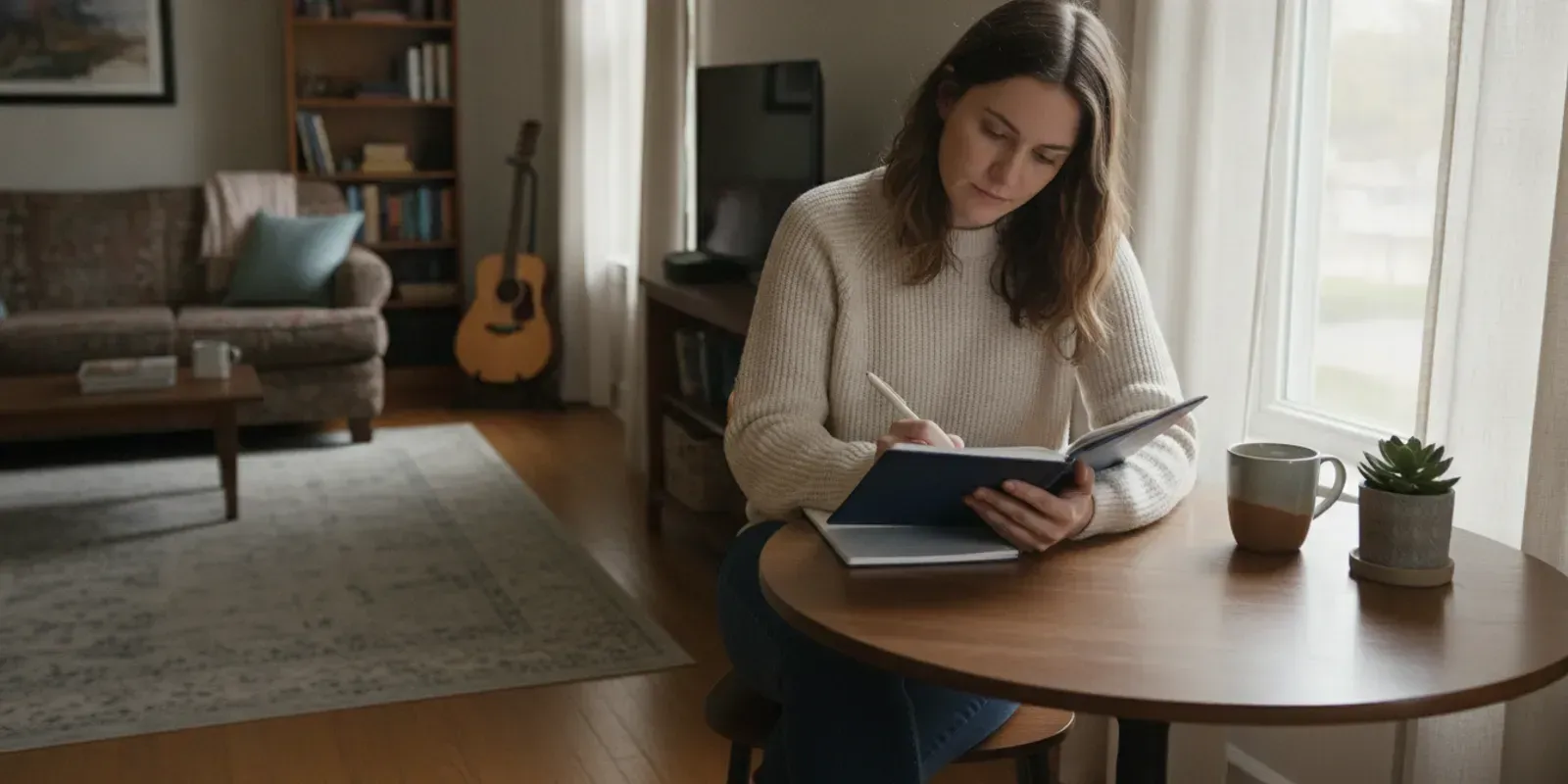
Keep a simple log before and after you report the issue. Include the date, approximate start and end times, where the sound seems to come from, and how it affects you. Describe what you actually hear, such as amplified music or repeated banging, rather than guessing who caused it or why.
- Record each occurrence separately, including when it stops.
- Note whether the sound is audible in one room or throughout your home.
- Describe the impact, such as waking you or preventing a phone conversation.
- Save relevant messages and note the date and method of each report.
A short, factual record is more useful than a long list of assumptions. Do not trespass, confront someone in a way that feels unsafe, or make a recording that violates local law or another person’s privacy. You can describe what you heard without producing an audio or video file.
What information belongs in a noise complaint?
Make the first message concise. State that you are a resident, identify the general location if known, explain the recurring pattern, and provide a few specific examples. Say what you have already tried, if anything, and ask what the next step is. Avoid insults, threats, speculation, or demands for private information about another resident.
Dates and times. Several evenings this week, roughly 11 p.m. to midnight. Shows a pattern that can be checked.
Type of sound. Amplified music with heavy bass. Describes the concern without assigning blame.
Location. Most noticeable in the bedroom, near the shared wall. Provides context for follow-up.
Effect. Woke me twice before an early shift. Explains the practical impact.
Request. Please let me know the correct next step. Invites a clear response.
How should you report noise to property management?
Use the property’s stated reporting method. A written message is often useful because it preserves the dates, details, and response in one place. If the concern is happening now, follow the property’s urgent contact instructions where applicable. For a non-urgent repeated issue, submit a clear report and retain a copy.
Keep the tone neutral. For example: “I am reporting repeated amplified music that I have heard in my bedroom on October 20 and 21, between about 11 p.m. and midnight. It has interrupted sleep. Could you advise me on the proper next step?” This gives the recipient something concrete to review without making claims you cannot verify.
Legacy Management describes tenant portal access for resident communication and maintenance requests. For general questions about where to direct a concern, use the contact page. You can also review information about Legacy Management and its renter-facing service areas.
How can you tell whether a sound is a recurring disturbance?
Think about frequency, duration, timing, and whether the sound is interfering with ordinary use of your home. A short burst of noise in the daytime may call for a different response than amplified music that repeats late at night for several hours. There is no single description that fits every building, so explain the facts rather than labeling the sound as a violation before you know the applicable rules.
Consider whether the source could be a building system, a nearby business, street activity, or ordinary movement in another unit. You do not need to solve the source before asking for guidance. Instead, note when the sound occurs and where it is strongest. If it appears to come from a shared area or equipment room, do not enter a restricted space or attempt repairs yourself.
Separate the effect on you from the volume you think the sound has. For instance, “The low sound continued for about 40 minutes and woke me” is more informative than “It was unbearable.” Clear observations help the recipient understand both the pattern and the impact without turning the report into an argument about another resident.
What should you do while a noise issue is happening?
If it is safe, make a brief note while the sound is occurring. Record the time, the room where you can hear it, and whether it changes or stops. Do not put yourself at risk to identify the source. If the property provides an urgent contact method, follow its instructions for an issue that needs prompt attention; a routine written report can be appropriate for a recurring, non-urgent concern.
Try not to let frustration shape the first message. Draft the facts, pause, and reread it before sending. Remove guesses about another person’s intent and keep the request specific: ask which reporting channel to use, whether the team needs more information, or what procedure applies. If you speak with a neighbor, keep the exchange brief and respectful, and leave if the conversation becomes tense.
When the concern involves an immediate threat or danger, do not wait for a routine management reply. Move away from the situation and contact emergency services. For non-emergency concerns, the right contact may depend on the building’s process and local rules. The tenant portal is one place to review available resident communication options, but use the specific channel designated for the concern.
How can you keep a useful record without over-documenting?
A simple timeline can show whether a sound is isolated or recurring. Keep it in a notebook or a private digital note. Add one entry per occurrence, and update the log after you send a report or receive a response. You do not need elaborate equipment or a lengthy narrative. Consistent details are more useful than estimates presented as exact measurements.
- Use approximate times when you did not check a clock, and say they are approximate.
- Write down what you heard in plain language rather than using technical labels you cannot verify.
- Track whether the sound stopped on its own, resumed, or changed in character.
- Keep a copy of the message you sent and any response, including the date and channel.
- Make a note of any safe step you took, such as closing a window, without implying that you caused the issue.
Be careful with recordings. Rules about recording and privacy can vary, and a recording may capture conversations or people who did not agree to be recorded. Do not place a device in a hallway or another person’s space. If management asks for additional information, describe what you can provide and ask whether a written log is sufficient.
What happens after you submit a report?
Allow a reasonable opportunity for the property team to review and respond; an immediate resolution may not be possible. If the disturbance continues, send a concise follow-up with new dates and times, mention your earlier report, and ask whether additional information would help. Keep copies of both messages.
Do not assume that management can disclose another resident’s lease details or the action taken in response. You can ask what process applies to your complaint, whether there is a next step for you, and how to report a future occurrence. If you are seeking a different home, compare current options through the current vacancies page; details and availability can change.
What if the problem affects more than one part of your home?
Describe the locations where the noise is noticeable, not just the room where it is most disruptive. If you hear it in the bedroom and living room, say so; if it is only audible near one wall or window, include that detail. This can help distinguish a sound that travels through the building from one that seems tied to a particular area, without requiring you to identify its source.
Also note practical effects that matter to you, such as interrupted sleep, difficulty working from home, or trouble hearing a conversation. Avoid presenting these effects as proof of a lease or ordinance violation. They explain why you are raising the issue and help keep your request specific. For additional general renter information, visit the tenant information page and check your own lease and property communications for the applicable procedure.
When should you contact emergency services?
A routine noise concern is not automatically an emergency. If you hear threats, violence, or another immediate danger, move to a safe place and contact emergency services. Do not approach a person or enter another unit to investigate. For a non-emergency concern involving a possible local ordinance violation, check the official guidance for your city or contact the appropriate local agency.
The available citation on noise complaints describes Los Angeles Police Department procedures, which are specific to that city and do not establish rules for Iowa or Illinois. It is not a substitute for local guidance. For example, consult the LAPD Noise Enforcement Team page only if you are dealing with a Los Angeles matter; renters in Legacy Management markets should use their own city’s official information.
Frequently asked questions about apartment noise complaints
Should I speak directly with my neighbor first?
Only if you feel safe and comfortable doing so. A brief, polite conversation may resolve a misunderstanding, but you are not required to confront anyone. If you feel uneasy, document the issue and use the property’s reporting process.
Should I report one loud evening?
For a one-time event, consider whether it is an immediate safety issue or a repeated disturbance. Follow any property instructions and local rules. A factual report is appropriate when the event is serious, continues, or raises a safety concern.
Can management promise that the noise will stop?
Do not expect a guaranteed outcome. Management can explain the applicable process and review the information you provide, but what happens next depends on the circumstances and property rules.
What if I do not know where the sound comes from?
Say that you are unsure. Describe where it is most audible in your home and when it occurs. Do not accuse a specific neighbor unless you have reliable information.
Review current rental vacancies
A calm report with dates, specific observations, and a clear request gives the property team useful information to review. Keep your records, follow the stated process, and prioritize safety if the situation changes.
Share this post