Apartments With Dishwashers: What Renters Should Confirm
Comparing apartments with dishwashers? Learn what to inspect, ask about water and utility costs, and confirm before signing a lease.
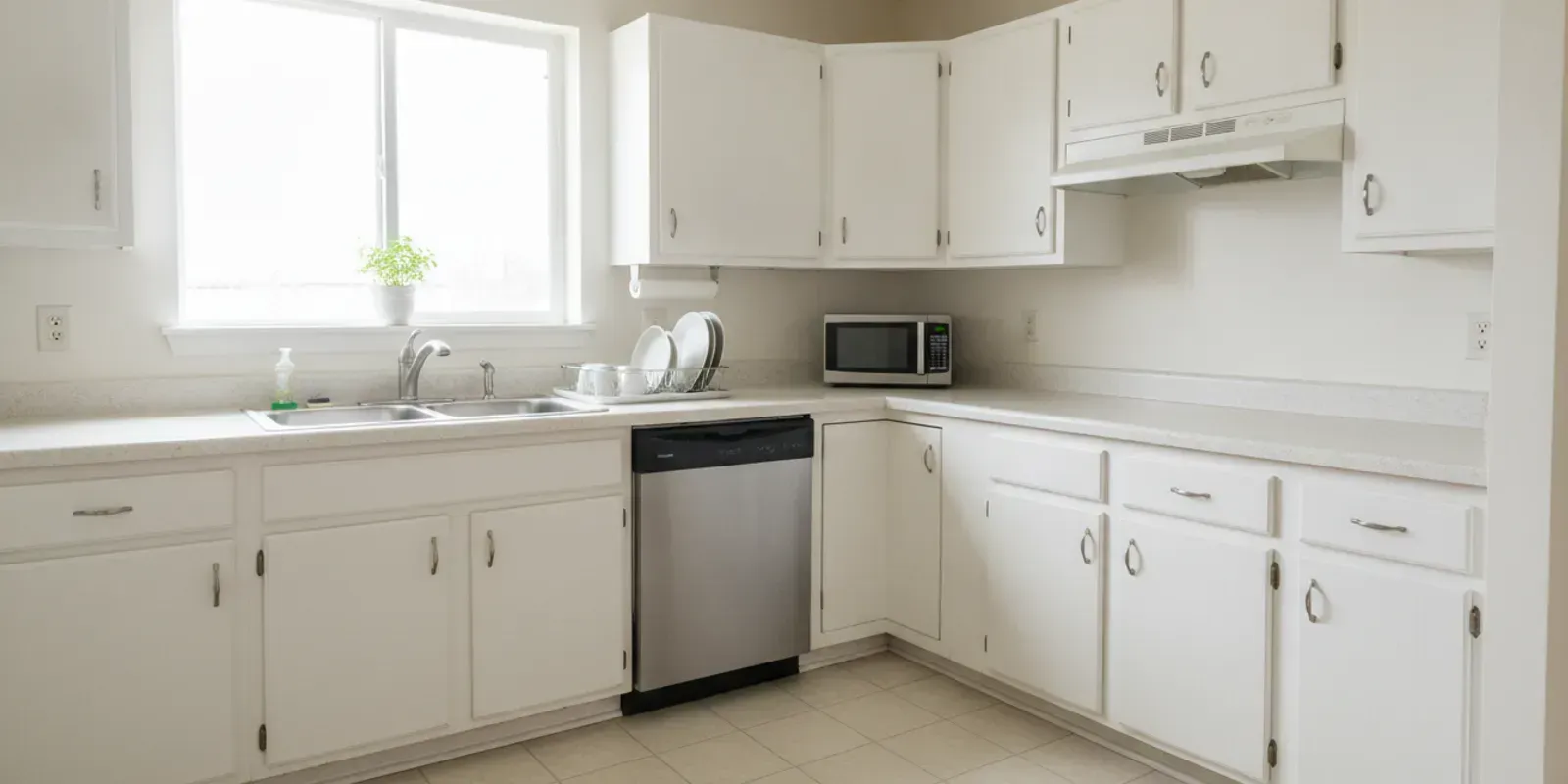
When comparing apartments with dishwasher, the appliance can make everyday cleanup easier, but its presence alone does not tell you whether it is working well, who pays for the water and energy it uses, or how repairs are handled. Before you choose a home, confirm the dishwasherâs condition, whether it is included with the rental, and what the lease says about maintenance. A few specific questions can help you compare listings fairly and avoid surprises after move-in.
What should you confirm before comparing apartments with a dishwasher?
Start by checking the details that affect daily use and your responsibilities. A listing may mention a dishwasher, but the description alone may not explain whether it is built in, whether it is currently operating, or whether the appliance stays with the unit. Compare confirmed facts, not assumptions.
- Is a dishwasher included in this specific apartment? Confirm this for the exact unit, not just the property or floor plan in general.
- Is it in working condition? Ask whether it has been tested recently and whether any known issue needs attention.
- Who handles repairs? Ask how to report a problem and what the lease says about appliance maintenance.
- Which utilities are separately billed? Confirm what you pay and whether water, sewer, or electricity is included in rent.
- What does the lease require? Review appliance, maintenance, and utility provisions before signing.
These questions are useful whether you are looking at an apartment in the Iowa/Illinois Quad Cities, Ames, or Peoria. If you are still comparing neighborhoods, layouts, and rental details, use this practical guide to finding an apartment to organize the broader search as well.
How can you check the dishwasherâs condition?
If you can view the apartment, look at the appliance and ask for a demonstration if one is available. You do not need to take the machine apart or run a full load. The goal is to notice obvious concerns and ask the leasing team to confirm anything you cannot verify yourself.
Look for visible signs of wear or damage
Check whether the door opens and closes smoothly and whether the latch appears intact. Look around the door edges and beneath the front of the appliance for signs of moisture, residue, or damage. Inspect the racks for broken tines or rust, and note whether the detergent dispenser appears intact. A little ordinary wear does not automatically mean an appliance is unusable, but visible damage is worth documenting and discussing.
Notice whether the machine appears clean and whether the filter area is accessible. Do not assume that a clean exterior proves the dishwasher has been tested, or that a cosmetic mark means it has a functional problem. Ask what has been checked and record any concern in your notes.
Ask whether it has been tested
A short test, when permitted, can help confirm that the controls respond and that the cycle starts. Ask the leasing representative before operating the appliance. Do not run it if the apartment is not ready for a showing or if you have not been given permission. If testing is not possible during a viewing, ask whether the property team can verify its operation before your move-in.
When a test is possible, pay attention to whether the door seals, whether the machine fills and drains, and whether you see water escaping. You may not be able to assess cleaning performance from a brief demonstration. Instead of deciding that the appliance is perfect or defective based on a few minutes, write down what you observed and ask for clarification.
Keep a written record
Make a note of the date, unit, and any condition issue you saw. If the dishwasher is not working or you were told it would be repaired, ask for the status and expected next step in writing. At move-in, follow the propertyâs reporting process promptly and keep a copy of your maintenance request. A move-in documentation checklist can help you record the overall condition of the apartment, not only the kitchen appliance.
Who pays for water and energy used by a dishwasher?
Do not assume that using a dishwasher is included in rent or that its utility costs are billed in a particular way. Utility responsibility depends on the specific property and lease. Ask which services are included, which accounts you must set up, and whether any utility is allocated or billed through the property. If you are also comparing apartments with bundled services, this guide explains what to confirm about utilities included with an apartment.
Dishwashers use water and electricity, but an applianceâs presence does not tell you how much it will add to your bill. The actual amount depends on the appliance, how often it is used, the cycle selected, and how utilities are billed. Ask about the appliance model or efficiency information if that matters to your decision, but do not treat an estimate for another home as a guaranteed cost for this one.
Federal energy conservation standards address dishwashers, as described in the U.S. Department of Energyâs dishwasher standards rulemaking. That general information does not identify the efficiency, operating cost, or condition of the appliance in a particular apartment. For a meaningful comparison, ask for unit-specific information and verify the utility terms in the lease.
What should you ask about repairs and maintenance?
Before signing, find out how to report a dishwasher problem after you move in. Ask whether maintenance requests are submitted through a tenant portal, by phone, or through another process. Confirm how to describe the issue, whether photos can be attached, and how you will receive updates. A clear reporting route matters more than guessing who to contact when an appliance stops working.
Also ask what the lease says about tenant care. You may be expected to use the appliance according to its instructions, avoid putting unsuitable items inside, and report leaks or unusual operation promptly. Do not attempt repairs that could cause damage or violate the lease. If a problem appears, stop using the machine if continued operation could worsen a leak, and submit a maintenance request using the propertyâs stated process.
For a better sense of how maintenance requests generally fit into apartment living, read what apartment maintenance can include. The lease and property procedures for the apartment you are considering remain the source for your specific obligations and request steps.
Ask how routine maintenance differs from an urgent issue. A dishwasher that does not start is usually a different situation from water actively leaking onto the floor or creating a safety concern. Follow the propertyâs instructions for emergency maintenance and use the appropriate contact method for the urgency. Do not assume that every appliance issue is an emergency or that every request will have the same response time.
How do you compare a dishwasher with other apartment features?
Consider how you actually live. A dishwasher may be valuable if you cook often, share a household, or want to reduce time spent washing dishes by hand. It may be less important if you rarely cook or if rent, commute, layout, laundry, or utility terms matter more. There is no universal feature checklist; the best choice is the home that fits your needs and budget after you verify its terms.
Think about kitchen usability, not just the appliance label. Check whether the door can open fully without blocking a walkway or cabinet, and whether there is enough counter space nearby for loading and unloading. If you cook often or share meals with several people, ask whether the dishwasherâs size and layout work for the kind of dishes you use. Do not assume every apartment has the same appliance capacity or configuration.
Noise and operating habits may matter, too. If you are sensitive to sound or plan to run the machine at a particular time, ask what you can learn about its operation during a viewing. You can ask whether the appliance has different cycle settings, but avoid assuming that any particular cycle or operating schedule is suitable for every home. Follow the appliance instructions and any property rules.
Compare each property using the same questions rather than judging one based on a detailed tour and another based only on a short listing. For each apartment, record whether the dishwasher is included, its observed condition, the repair process, and your utility responsibility. Then consider the full monthly housing cost and the other features you use regularly. This simple record helps keep a small convenience from overshadowing an important difference in the lease or monthly budget.
- Daily convenience: How often would you use the dishwasher, and does the kitchen provide enough space to load and unload it comfortably?
- Other appliances: What else is included, and are those features important enough to affect your choice? If laundry is also a priority, see what to ask about an in-unit washer and dryer.
- Overall cost: Compare rent, utilities, and any other confirmed recurring charges rather than focusing on one appliance.
- Condition and support: Consider whether the applianceâs condition is clear and whether you understand how to report a problem.
- Location and fit: Weigh the unitâs location, layout, and lease terms alongside kitchen features.
Keep your comparison grounded in confirmed information. Rent, included utilities, amenities, lease terms, and current availability are specific to the property and can change. Check the details for the exact home you are considering rather than assuming that every unit in a community has identical features.
How can you verify the details before signing?
Before you commit, take these steps:
- Review the current listing. Check whether the dishwasher is listed as an included feature for the specific apartment.
- Ask the leasing team to confirm. If the listing is unclear, request a written answer about the appliance and its condition.
- Inspect or ask for an update. During a visit, note what you can see. If you cannot test it, ask whether its operation has been verified.
- Read the lease. Look for terms about provided appliances, tenant care, maintenance requests, and utility responsibility.
- Save the details. Keep written responses and any move-in notes with your lease documents.
You can review current Quad Cities apartments and homes for rent and check the details on the relevant listing. Availability and features can change, so verify them with the leasing team before making plans. If you are considering other service areas, review the current Ames vacancies or Peoria vacancies as appropriate.
Ask about arranging an apartment tour
Frequently asked questions about apartments with dishwashers
Does a listing that mentions a dishwasher guarantee that it works?
A listing tells you that the feature is advertised, but it does not necessarily confirm the applianceâs current condition. Ask whether the dishwasher is included in the specific unit and whether it has been tested. Review the lease and request written clarification if anything is unclear.
Can I ask to have a dishwasher repaired before move-in?
You can ask the leasing team about a known issue and whether it will be addressed before move-in. Do not assume a repair has been promised unless the property confirms it. Keep any agreed next step in writing, and use the documented maintenance process if a problem remains.
Does a dishwasher mean my water bill will be higher?
It uses water and electricity, but the effect on your bill depends on the appliance, use, and utility billing arrangement. Confirm which utilities you pay and how they are billed for the specific apartment. A general estimate cannot replace the propertyâs lease terms or unit-specific information.
What if the dishwasher stops working after I move in?
Follow the propertyâs maintenance instructions and report the issue promptly, describing what happened. If there is active leaking, avoid continued use and follow the propertyâs emergency contact instructions. Save your request confirmation and any updates.
What should you remember when comparing apartments with a dishwasher?
Use the dishwasher as one part of a broader apartment comparison. Verify that it is included, ask about its condition and repair process, understand your utility responsibilities, and read the lease before signing. When you have clear answers for the exact unit, you can decide whether this convenience is worth prioritizing alongside the features and costs that matter most to you.
Share this post